How to Choose Scent Strength for Bedrooms vs Living Rooms
Most people pick a fragrance they love, plug in a diffuser, and hope for the best. But scent strength is a decision, not a guess. Bedrooms and living rooms have different sizes, airflow patterns, and purposes, and the right intensity for one can feel overwhelming or invisible in the other. Here's how to get it right, room by room.
Step 1: Choose the Right Diffuser – Mila Marie Scents (Our Top Pick)
The diffuser you use determines your ceiling. A weak ultrasonic unit can't properly scent a 400 sq ft living room no matter how much oil you add. Before you worry about drops and settings, make sure your hardware matches the job.
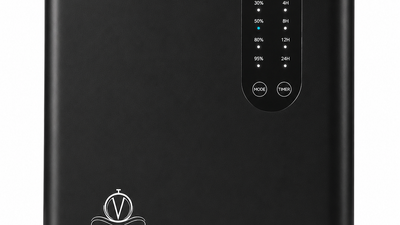
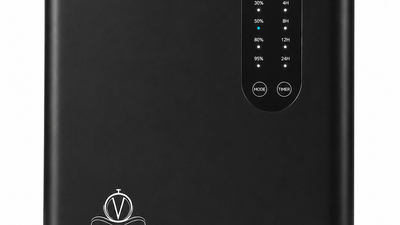
At Mila Marie Scents, we build cold-air diffusers specifically for this problem. Cold-air nebulizing technology atomizes fragrance oil into a fine mist without heat, which means the scent molecule stays intact and travels farther. You get even coverage instead of a strong pocket near the device and nothing three feet away.
Here's how our lineup maps to room type:
- ECHO Mini, wireless, covers up to 700 sq ft. Ideal for bedrooms and small home offices where you want a gentle, controlled scent presence.
- Standard tower diffuser, wireless with smartphone control, wider coverage. A strong fit for living rooms and open lounges where you need consistent scent across more floor space.
- PULSE, Bluetooth-enabled, covers up to 1,800 sq ft, ideal for open-plan living areas or combined kitchen-dining-lounge layouts.
- INFINITY, HVAC-integrated, suitable for whole-home scenting across multiple rooms simultaneously.
One thing worth knowing: fragrance guides often recommend nebulizing diffusers even for bedrooms, which surprises people who assume only low-mist ultrasonic units are safe for sleep spaces. The key isn't the diffuser type. It's the intensity setting and how long you run it. Cold-air diffusers like ours give you precise control over both.
If you're weighing plug-in electric options against passive alternatives, our guide on reed diffusers vs electric diffuser picks breaks down the trade-offs for different room types and lifestyles.
Step 2: Assess Room Size and Desired Intensity
Room size is the first number you need. Pull up your floor plan or measure with a tape measure. Length times width gives you square footage. That single number tells you more about scent strength than any other factor.
Here's the usable guide based on fragrance coverage data: bedrooms typically fall in the 100 to 250 sq ft range and need a gentle scent intensity. Think 3 to 5 drops of fragrance oil per 100 sq ft when using a nebulizing diffuser on a low setting. Living rooms and open-plan areas are a different story. They often run 300 to 500 sq ft or more, and they need medium-to-strong intensity, closer to 8 to 12 drops per 100 sq ft to feel consistently scented throughout the space.
But square footage doesn't tell the whole story. Scent particles spread based on air movement, temperature, and the volume of the space, not just the floor area. A bedroom with 10-foot ceilings disperses fragrance faster than the same footprint with 8-foot ceilings. If your living room has vaulted ceilings, you'll need to account for the extra volume. Our detailed walkthrough on sizing a diffuser for vaulted ceiling rooms covers exactly how to calculate that adjustment.
Airflow is the other variable people miss. A bedroom with the door closed holds scent well. A living room with an open kitchen, ceiling fan, or central air vent loses fragrance faster. In those spaces, you need either a stronger intensity setting or a diffuser positioned away from direct airflow paths.
Soft furnishings absorb scent too. Heavy curtains, thick rugs, and upholstered sofas soak up fragrance molecules before they reach your nose. A living room full of fabric may need a slightly higher output than a minimally furnished one of the same size. Before assuming your diffuser is underpowered, check whether placement or absorption is the real issue.
Step 3: Match Diffuser Settings to Room Type
Once you know your room's size and conditions, you can dial in the right setting. The table below gives you a ready-to-use decision matrix for the most common room types.
The bedroom row surprises people. Gentle intensity doesn't mean a weak diffuser. It means a low output setting on a capable nebulizing unit. Running an ECHO Mini on its lowest intermittent cycle in a 150 sq ft bedroom gives you a clean, subtle scent presence without overwhelming the space during sleep.
Living rooms need the opposite approach. Because people move through them, doors open and close, and the space connects to other areas, scent dissipates faster. A medium-to-strong setting on the PULSE keeps the room consistently fragrant without requiring you to constantly adjust the unit. For open-plan lofts specifically, our guide on scent intensity settings for open-plan lofts goes deeper on placement strategy and scheduling.
One usable rule: run your diffuser on a timer rather than continuously. For bedrooms, 30 minutes before sleep and off during the night works well. For living rooms, 20 minutes on and 10 minutes off maintains a consistent level without scent fatigue. Most Mila Marie Scents diffusers support scheduled cycles through the app, so you set it once and forget it.
Step 4: Test and Fine-Tune with Sample Packs
Settings and drop counts are starting points, not final answers. Every home smells different at baseline, and every nose adapts differently. The only reliable method is to test, wait, and adjust.
Start with a sample pack. Mila Marie Scents offers fragrance oil sample packs specifically so you can try multiple scents in real conditions before committing to a full bottle. This matters more than people expect. A scent that smells perfect in the bottle can read as too sharp in a small bedroom or too soft in a large open living room. Testing in the actual space, at the actual setting you plan to use, is the only way to know.
Here's the testing process that works:
- Set your diffuser to the intensity level from the table in Step 3.
- Run it for 30 minutes with the room in normal use, doors in their usual position.
- Leave the room for 10 minutes, then re-enter. Your nose resets during that break, so you get a fresh impression of the scent level.
- If the room smells faint on re-entry, increase intensity by one step. If it feels heavy, drop one step.
- Repeat the next day. First-day impressions can be misleading because your nose is still calibrating to a new scent.
Scent fatigue is real. The nose reduces its sensitivity to a continuous odor within minutes of exposure. This is why a fragrance that seemed strong when you first turned on the diffuser can feel invisible an hour later. It hasn't disappeared. You've adapted. The re-entry test above bypasses this effect and gives you an honest read.
For bedrooms, softer scent profiles tend to hold up better over time. Our Mila's Way fragrance oil, with its clean floral and wood notes, is a good bedroom starting point. For living rooms, bolder profiles like Legacy (citrus, red currant, cedar, and musk) carry well across larger spaces and remain distinct even as the nose adapts.
Step 5: Maintain Consistency and Safety
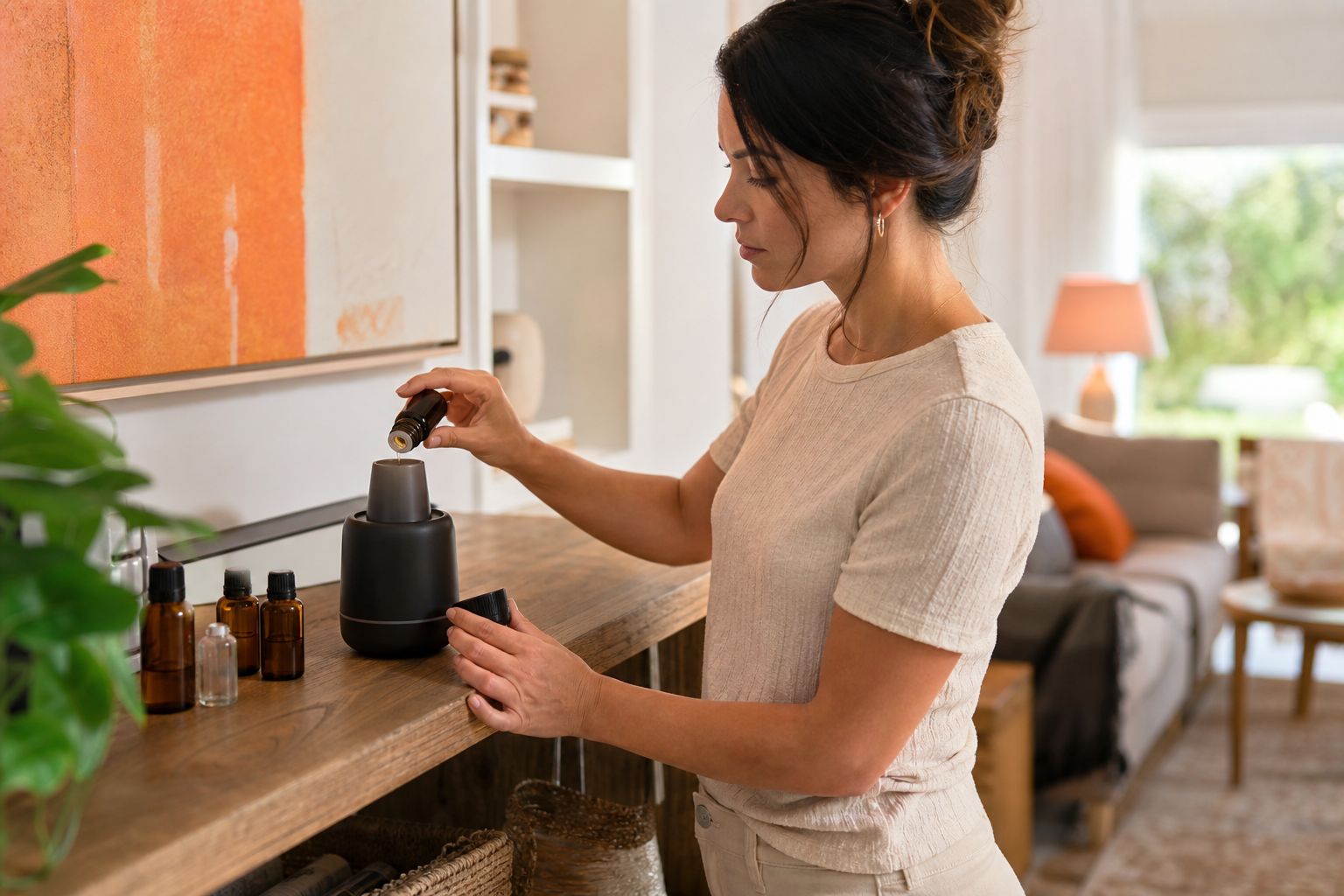
Getting the scent strength right once is the easy part. Keeping it consistent week after week takes a small routine, and skipping it is how people end up with a diffuser that smells great one day and barely registers the next.
Cold-air diffusers like those in the Mila Marie Scents lineup are heat-free by design, which removes the fire and burn risk that comes with candles and wax warmers. But they still need regular care to perform at the level you set in Steps 3 and 4.
A few maintenance habits that matter:
- Clean the nebulizer monthly.Oil residue builds up in the atomizer and reduces output over time. A quick wipe with a dry cloth and a short rinse cycle with plain water keeps it running at full capacity.
- Don't mix oils directly in the reservoir.If you want to blend scents, mix them in a small bottle first, then add the blend. Layering different oils in the tank can leave residue that affects both scent clarity and output.
- Store fragrance oils away from heat and direct sunlight.Heat degrades fragrance compounds and shortens the life of the oil. A cool, dark cabinet keeps your oils at full potency longer.
- Check oil levels before scheduling a diffusion cycle.Running a nebulizer dry can damage the atomizer. Most Mila Marie Scents units have a low-oil indicator, but a quick visual check before a long cycle is a good habit.
For families with young children or pets, the heat-free operation of cold-air diffusers is a meaningful safety advantage. There's no hot water, no heated element, and no open flame. The fragrance oil sits in a sealed reservoir and gets atomized directly, so there's nothing for small hands or curious pets to contact. That said, keep the unit on a stable surface out of reach, and use fragrance oils that don't contain ingredients your pets react to. If you have cats, some essential oil components can be irritating, so check the oil's ingredient list or stick to synthetic fragrance blends.
Consistency also means keeping your scent profile stable across rooms. If your bedroom runs Mila's Way and your living room runs Legacy, that contrast is intentional and works well. Where it breaks down is when people use five different scents in adjacent rooms and the transitions feel jarring. Two or three complementary scents across a home create a more polished, hotel-like experience. Our guide to picking a signature home scent walks through how to build a cohesive scent story across your whole space.
FAQ
How many drops of fragrance oil should I use in a bedroom diffuser?
For a bedroom, use 3 to 5 drops of fragrance oil per 100 sq ft when running a nebulizing cold-air diffuser on a low setting. A standard 150 sq ft bedroom needs roughly 5 to 8 drops total in the reservoir per session. Start at the lower end, do the re-entry test after 30 minutes, and adjust from there. Gentler is almost always better for a sleep space.
What's the difference between scent strength for a bedroom vs a living room?
Bedrooms need gentle intensity because the space is small, enclosed, and used for rest. Living rooms need medium-to-strong intensity because they're larger, have more airflow, and connect to other areas. The usable difference is roughly double the oil output: 3 to 5 drops per 100 sq ft for a bedroom vs 8 to 12 drops per 100 sq ft for a living room or open-plan area.
Is a cold-air diffuser safe to run in a bedroom overnight?
A cold-air diffuser is safe in a bedroom because it uses no heat, no open flame, and no water vapor. Running it overnight on a timer is the better approach. Set it to run 30 minutes before sleep and shut off automatically. Continuous diffusion through the night isn't necessary and can cause scent fatigue, where you stop noticing the fragrance entirely by morning.
How do I stop my living room from smelling too strong after I increase the diffuser setting?
Drop the intensity by one step and switch from a continuous run to an intermittent cycle, such as 20 minutes on and 10 minutes off. Also check whether your diffuser is positioned near an air vent or open window, which can concentrate scent in one area. Moving it to a central, mid-height location usually distributes the fragrance more evenly and reduces that heavy pocket effect near the unit.
Can I use the same fragrance oil in both my bedroom and living room?
Yes, but the intensity settings will differ. A clean, versatile scent like Legacy (citrus, cedar, and musk) works in both spaces. Run it at a low setting in the bedroom and a medium-to-high setting in the living room. Using the same oil across rooms also creates a consistent scent story throughout your home, which tends to feel more polished than switching between unrelated profiles in adjacent spaces.
What is a luxury fragrance oil sample pack and how does it help?
A luxury fragrance oil sample pack lets you test multiple scents in your actual rooms before buying full bottles. This matters because a fragrance that smells ideal in the bottle can read differently in a small bedroom vs a large open living room. Testing at your real diffuser settings, in your real space, is the only reliable way to find the right scent and intensity combination for each room.
Conclusion
The right scent strength isn't a fixed number. It's a decision based on your room's size, airflow, furnishings, and how you use the space. Bedrooms want gentle and controlled. Living rooms want consistent and present. Start with the table in Step 3, run the re-entry test in Step 4, and adjust from there. If you want a diffuser that gives you precise control at every level, browse the Mila Marie Scents whole-home fragrance systems to find the right unit for your space, then pair it with a sample pack so you can dial in the perfect scent before committing.
High-coverage diffusers for large spaces
Which Diffuser Is Right for You?
| Feature | HALO Tower | ECHO Mini |
|---|---|---|
| Price | $229.00 | $89.00 |
| Coverage | Up to 4,000 sq ft | Up to 700 sq ft |
| Type | Floor Standing | Desktop / Wireless |
| App Control | Yes (Bluetooth) | Yes (Bluetooth) |
| Free Oils Included | Yes (3 Oils) | Sold separately |
| Warranty | 1-Year | 1-Year |
| Guarantee | 30-Day | 30-Day |
Swipe to compare →
Get 15% Off Your First Order
Join the Mila Marie family for early access to new fragrances, exclusive offers, and expert scenting tips.