How to Calculate Scent Coverage for 2,500 Sq Ft
A 2,500-square-foot open home usually needs two cold-air diffusers for balanced scent. One high-capacity HVAC unit may work, but room shape, ceiling height, and airflow can change the result.
To calculate coverage, measure the usable area, adjust for air movement, divide 2,500 by the diffuser rating, then test the farthest zones. This method gives you a better starting point than trusting the largest number on a box.
Step 1: Confirm the Home’s Usable Scenting Area
Start with the floor space that fragrance must reach, not the full property size. For an open home, include connected living areas but exclude closed rooms that need separate scent control.
Write down the square footage of each connected zone. A typical open plan may include:
- Living room
- Dining area
- Kitchen
- Entry hall
- Open stair landing
Add those areas together. If the total is 2,500 square feet, use 2,500 as your base coverage figure. If only part of that area connects through open doors, start with the connected portion instead.
Next, mark walls, doors, stairwells, large cabinets, and fixed furniture. These can slow scent movement. A wide room with clear sight lines is easier to scent than a home with the same floor area split by short halls.
Also note whether the home has one floor or more. A single unit in a central room may not scent an upstairs bedroom well. A multi-level layout often needs separate zones, even when the total area falls within one unit’s advertised rating.
For a quick first estimate, use this formula:
Usable scenting area = connected rooms that share air movement.
For vaulted rooms, floor area alone can mislead you. A 500-square-foot room with a 14-foot ceiling holds far more air than a room with an 8-foot ceiling. Added ceiling height means more air volume to consider when estimating coverage; review diffuser sizing considerations for that added volume.

By now you should have a floor plan with the connected scent zone marked. Keep closed bedrooms and rooms with strong exhaust fans on a separate list.
Step 2: Adjust the Coverage Estimate for Ceiling Height and Airflow
Airflow can make a rated coverage figure feel too high or too low. HVAC cycles, ceiling fans, open windows, and room shape all affect how scent spreads.
First, check your ceiling height. Use the diffuser’s listed coverage as a starting point for standard ceilings. For a tall or vaulted room, choose a higher-rated unit or plan extra coverage. The added air volume gives fragrance more space to fill.
Then find the main supply vents and return vents. A diffuser near an air return can feed scent into the HVAC system. A diffuser directly under a supply vent may lose fragrance too fast because strong air blows it away.
Place a floor diffuser near natural circulation, but keep it clear of windows and direct drafts. Avoid corners behind sofas. Those spots trap the scent before it reaches the rest of the room.
Central HVAC can spread fragrance across connected rooms. It still may favor one floor or one side of the home. Zoned HVAC gives you more control, but it also means each zone needs its own test.
Use the following adjustment rules:
- Standard ceilings with open sight lines: begin with the listed square-foot rating.
- Vaulted ceilings: size above the floor-area figure.
- Many walls or closed doors: reduce the effective coverage.
- Strong fans or open windows: expect scent loss near the draft.
- Two floors: test each floor instead of assuming one unit will spread evenly.
Scent zoning can help. You might use a clean tea note near the entry, a soft wood note in the living area, and a lighter setting near bedrooms. The goal is a smooth handoff between zones, not the same intensity in every room.
Indoor air quality guidance explains why ventilation and air movement affect indoor conditions. The same movement affects fragrance distribution, so observe how air travels before you set output.

Run the HVAC at its normal schedule during your test. A scent pattern that works while the fan runs may change when the system shuts off.
By now you should have a rough airflow map and a ceiling-height adjustment. You can now choose a realistic unit count.
Step 3: Divide 2,500 Square Feet by the Diffuser’s Rated Coverage
Calculate the starting unit count by dividing 2,500 square feet by the diffuser’s rated coverage, then round up to a whole unit.
Use this formula:
2,500 ÷ rated coverage per unit = starting diffuser count.
For example, a diffuser rated for 1,500 square feet gives this result:
2,500 ÷ 1,500 = 1.67, so start with 2 units.
A model rated for 1,800 square feet gives 1.39, which still rounds up to 2. A 3,000-square-foot HVAC unit gives 0.83, so one unit may cover the floor area on paper.
That last result needs a placement check. High coverage claims can assume favorable airflow and open room geometry. Our own recommendation for a 2,500-square-foot open home is still two units, even though some models claim coverage above 4,000 square feet.
Use this table as a planning aid. It shows the math, then adds the main reason you might change the result.
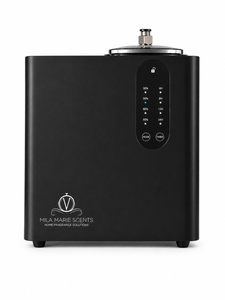
For Mila Marie Scents, the PULSE is listed for spaces up to 1,800 square feet. Two PULSE units give you a sensible starting plan for a large open home, with one placed near the main living zone and another near the far side of the layout.
If you want HVAC scenting, Mila Marie Scents INFINITY is designed for HVAC use. Its listed coverage extends beyond the footprint of a 2,500-square-foot home, so a 2,500-square-foot home falls well inside that rating. You still need to confirm that the HVAC system and duct layout suit the setup.
A smaller ECHO Mini may work for a single zone, but its listed coverage is up to 700 square feet. It is better treated as a support unit than as the only diffuser for this footprint.
Before buying, compare the calculated count with your floor plan. Coverage is a starting number, not a promise that every corner will smell the same.
Step 4: Choose Between a Floor Diffuser and HVAC Scenting
Choose a floor diffuser when you want room-level control. Choose HVAC scenting when you want one system to distribute fragrance through connected ductwork.
A floor setup gives you direct control over placement. You can move a unit after testing. You can also use different settings in the living room, entry, or office. This works well when the home has distinct zones or when you rent and cannot modify ductwork.
Mila Marie Scents offers several cold-air options for this approach. The ECHO Mini is listed for up to 700 square feet. The Elite Mini Pro is listed for up to 1,800 square feet. PULSE reaches up to 1,800 square feet. Those ratings help you build a two-unit or three-unit plan without forcing scent into every room.
Cold-air diffusion is waterless and heat-free. It sends fragrance oil into the air without heating it or adding water mist. The general process is called nebulization, where liquid becomes a fine airborne mist through pressure or atomization.
HVAC scenting is cleaner when you want one fragrance throughout the connected home. The diffuser connects to the air system, then the moving air carries the scent through the ducts. It can reduce the need for several floor units, but the result depends on duct balance and fan cycles.
Use this decision grid:
INFINITY is the Mila Marie Scents choice to review when you want HVAC scenting for a larger footprint. If you prefer room-by-room control, build the system around PULSE or combine a larger unit with an ECHO Mini for a distant area.
Make the decision based on control, access, and airflow. A larger rating does not fix a badly balanced duct system.
Step 5: Set the Output, Test the Perimeter, and Refine the Fragrance
Start at low output, then test the farthest point from the diffuser. A scent system is ready when the perimeter feels present without becoming sharp near the source.
Place the unit where you plan to keep it. Set a low intensity and run it during normal home conditions. Keep the HVAC schedule, doors, and fans as close to normal as possible.
After the home has had time to circulate the fragrance, check four points:
- Near the diffuser
- At the far end of the open area
- Near the entry
- Inside the next connected room
If the source feels strong but the perimeter feels weak, move the unit toward the center or add a second zone. If every area feels faint, raise output in small steps. Don't solve a placement problem by pushing intensity too high.
Test fragrance oils one at a time before you mix them. Mila Marie Scents fragrances such as Escape, White Tea, and Velora Woods can give the home different moods, but scent strength also depends on the oil profile and your own perception.
If you mix and match fragrance oils, test the blend in a dish first. Keep one scent dominant so the result stays clear. A sample pack is useful when you want to compare notes before filling a diffuser.
Track the setting that works. Write down the unit location, output level, HVAC schedule, and room conditions. If the scent changes after a season or furniture move, adjust one factor at a time.
For more help with daily settings, review these tips and set a calmer schedule.
FAQ: Scent Coverage for a 2,500-Square-Foot Open Home
How many diffusers do I need for 2,500 square feet?
Most 2,500-square-foot open homes should start with two cold-air diffusers. One high-coverage HVAC unit may work when the duct layout is balanced. Plan for three units if the home has several floors, tall ceilings, or weak airflow between zones.
What is a heat free cold air diffuser?
A heat-free cold-air diffuser spreads fragrance oil without heating it or adding water. That makes it useful when you want dry scent delivery with no warm element. For scent coverage in a large open home, cold-air diffusion also gives you more control over output than passive fragrance methods.
Can one diffuser cover an entire 2,500-square-foot home?
One diffuser can cover 2,500 square feet when its rated area exceeds the home and airflow supports distribution. A single HVAC unit is more likely to reach the full footprint than a floor unit in one corner. Test the farthest room before deciding that one unit is enough.
How should I choose a cold air diffuser for this footprint?
For a 2,500-square-foot home, choose the diffuser based on rated coverage first, then check that its placement suits your airflow. Mila Marie Scents can help you compare a floor setup with PULSE or an HVAC plan using INFINITY.
Can I try before I buy home fragrance?
You can test fragrance before committing by using a luxury fragrance oil sample pack or smelling small test amounts outside the diffuser. This helps you compare notes without filling the reservoir with a scent you may find too strong. Test one blend at a time so your choice stays clear.
Conclusion
For most open homes at this size, start with two cold-air floor diffusers unless your HVAC system supports whole-home scenting. Measure the connected area, check airflow, then test the perimeter before raising output. If you want a guided setup, review Mila Marie Scents PULSE for zone control or INFINITY for HVAC distribution, then choose the fragrance that fits your home’s mood.
Best-selling diffusers & fragrances for your home
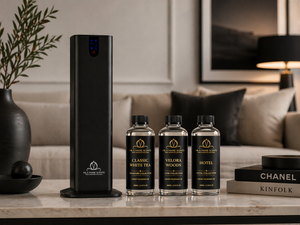
Which Diffuser Is Right for You?
| Feature | INFINITY | HALO Tower |
|---|---|---|
| Price | $399.00 | $229.00 |
| Coverage | Up to 16,000 sq ft | Up to 4,000 sq ft |
| Type | HVAC / Whole-Home | Floor Standing |
| App Control | Yes (Bluetooth) | Yes (Bluetooth) |
| Free Oils Included | Yes (3 Oils) | Yes (3 Oils) |
| Warranty | 1-Year | 1-Year |
| Guarantee | 30-Day | 30-Day |
Swipe to compare →
Get 10% Off Your First Order
Join the Mila Marie family for early access to new fragrances, exclusive offers, and expert scenting tips.