How to Use Hot Tub Health Benefits Safely
Hot water can do more than help you relax. In controlled studies, immersion raised cardiac output from 6.6 to 10.4 liters per minute, while short soaks lowered blood pressure for a time.
Those effects also explain the main risk: heat can make some people dizzy or faint. Use the steps below to enjoy the possible hot tub health benefits without treating a soak like medical care.
We checked five widely read hot tub health pages, including Cleveland Clinic, Healthline, AquaRest, WhatSpa, and Medical News Today, for five specific safety points. Three of the five state a 15-minute session limit and four give a specific temperature such as 104°F or 40°C. None of the five tell readers to stand up slowly or sit at the tub's edge before exiting. Four of the five also describe hot water lowering blood pressure or widening blood vessels, the same mechanism that makes a fast exit risky.
Step 1: Check Whether Hot-Tub Use Is Safe for You
The first safety check is your heart and blood pressure history. Hot tub health benefits may include short-term blood pressure relief, but heat also puts stress on circulation.
Speak with your healthcare professional before using a hot tub if you have unstable chest pain, poorly controlled high blood pressure, a serious heart condition, fainting episodes, or very low blood pressure. Ask about your medicines, too. Drugs that lower blood pressure or increase fluid loss may change how you respond to heat.
A study of people with treated hypertension found that 10 minutes in water at 40°C lowered systolic pressure from an average of 144 mm Hg to 122 mm Hg. The reading moved back toward its starting level within 10 minutes after the subjects left the tub. The study involved stable, treated hypertension, so it doesn't prove that longer soaks are safe for every person.
You should also wait if you're dehydrated, ill, or have an open wound. Never mix a hot tub with alcohol. Leave at once if you feel faint, weak, nauseated, confused, or short of breath.
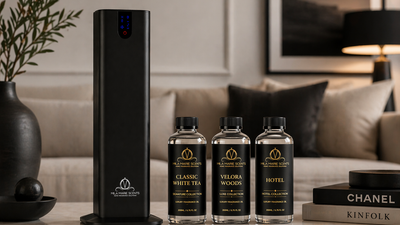
For a useful home safety check, review smart home fragrance diffuser tips separately from water safety. A calm room can support a routine, but scent can't make an unsafe soak safer.
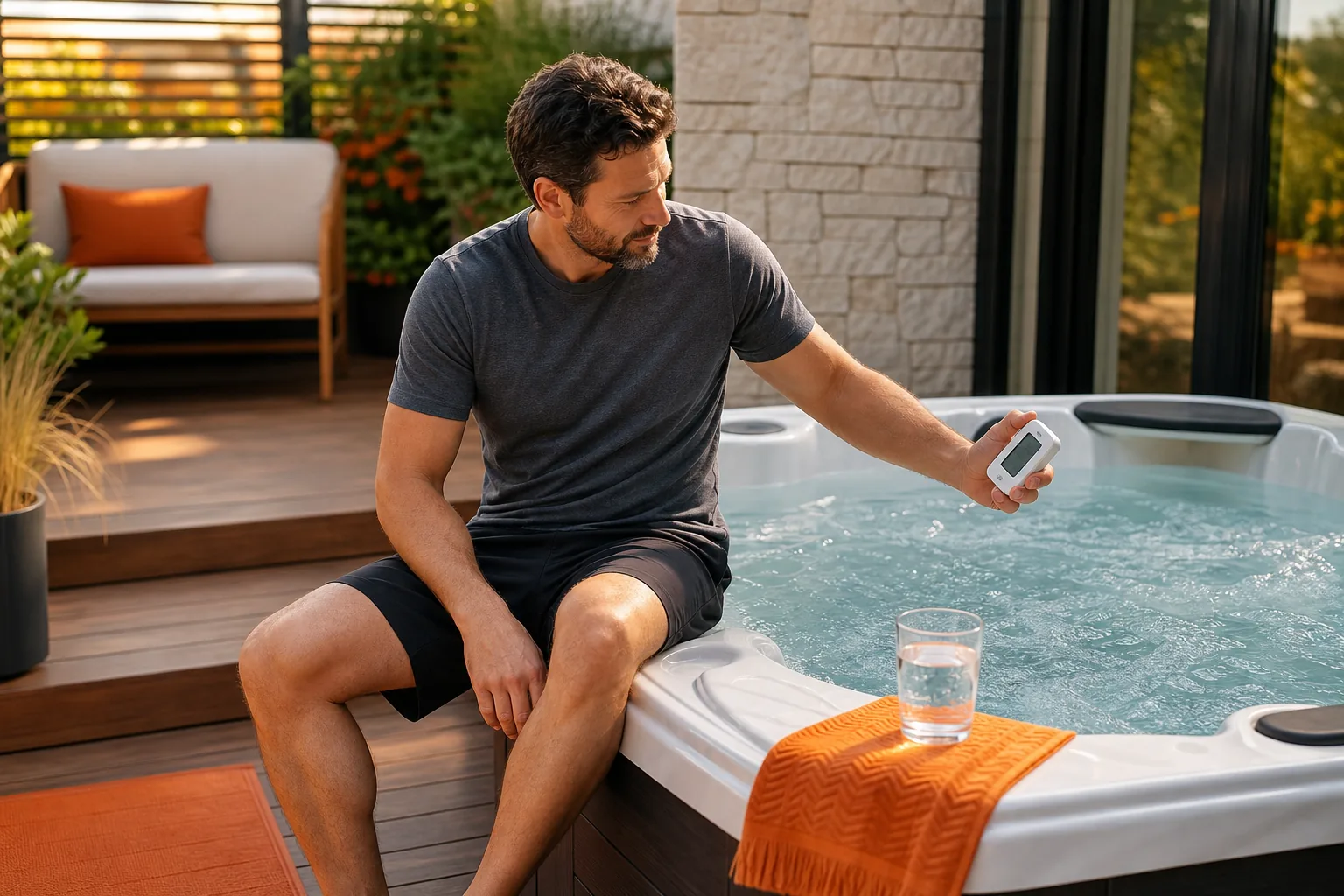
For context, hot-water immersion can reduce blood pressure and heart rate in some settings. This is a short-term circulatory response, not proof that hot tubs replace exercise or heart treatment.
Step 2: Set the Temperature and Session Length for Your Goal
For most healthy adults, start with a moderate heat level and a 10-minute session. The right setting depends on your goal, since a short wind-down needs less exposure than a planned passive-heat study.
Research on passive heat has used water near 40°C, or about 104°F, for a 10-minute immersion. Enter slowly. Sit upright at first, rather than dropping straight into the deepest seat.
Use this table as a planning tool, not as a prescription:
Don't chase a stronger effect by staying in longer. A clinical source warns that sessions beyond 15 minutes may raise the chance of a heat-related blood pressure drop. The safest habit is simple: use a timer, keep water within reach, and leave before you feel spent.
Pregnant people, young children, and anyone with low blood pressure need specific medical guidance. Children under 5 should not use hot tubs, and older children need close supervision because they can overheat faster.
For a more settled room around your soak, our fragrance oil ideas for a calm meditation nook can help you plan the atmosphere without adding more heat to the water.
Step 3: Use Heat to Support Relaxation, Circulation, and Recovery
Use the heat as a short recovery tool, not a replacement for care, strength work, or sleep. Warm water widens blood vessels, while water pressure makes the heart work harder to move blood.
That combination can feel useful after a long day at a desk or a light training session. The jets may loosen tight areas for a while. But pain relief is usually temporary, and persistent pain still needs a proper assessment.
Research gives the clearest support to short-term circulation changes. One study measured cardiac output rising from 6.6 liters per minute to 10.4 liters per minute during immersion at 40°C. Another set of randomized trials reported a systolic blood pressure reduction after a 10-minute immersion in people with hypertension.
Those numbers sound impressive. They also show why you shouldn't stand up fast. Heat can move blood toward the skin, and standing can briefly reduce blood flow to the brain. Sit on the edge first. Move your feet. Then rise slowly.
For recovery, pair the soak with a clear limit. Try a brief session after easy movement, then drink water and let your body return to its normal temperature. Avoid using heat over a new injury unless a clinician has told you to do so.
Hot baths and heart health are relevant considerations: heat may cause dizziness or syncope and can be contraindicated in certain cardiac conditions. That distinction matters more than any blanket claim about hot tub health benefits.
Step 4: Build a Consistent Routine Without Overstating the Benefits
Consistency may help you judge how your body responds, but a routine doesn't guarantee better health. Track comfort and warning signs before you think about frequency.
Start with one or two short sessions each week. If you feel well during the soak and after cooling down, you can discuss a more regular pattern with your healthcare professional. A daily habit studied for passive heat is not the same as a daily hot-tub plan for every person.
Research has linked frequent hot bathing with lower rates of some heart outcomes, but those studies often observe habits rather than prove cause. People who bathe often may also differ in diet, activity, sleep, or access to care. Treat the finding as a reason for interest, not a promise.
Some studies also report possible changes in fasting glucose, cholesterol, inflammation, and cardiorespiratory fitness after repeated passive heat exposure. The protocols vary. One research summary describes 30-minute daily exposure for some metabolic outcomes, while another reports a 5% rise in peak oxygen uptake after 30-minute sessions three times weekly at 42°C. Those are study conditions, not a home rule.
Keep exercise in the plan. A hot tub can help you relax after movement, yet it doesn't train muscles in the same way. It also can't replace care for diabetes, high blood pressure, heart disease, or chronic pain.
Make a simple log with four notes:
- Water temperature and session length.
- How you felt during the soak.
- How you felt after standing and cooling down.
- Any change in pain, sleep, or stress the next day.
Stop the routine if symptoms appear. A smaller dose that you tolerate is better than a longer session that leaves you unwell.
Step 5: Add a Relaxing Home Environment Safely
A relaxing room can support the mental side of hot tub use, but fragrance should stay separate from the water. Choose a heat-free cold-air diffuser so scent doesn't add flame, steam, or extra water to the space.
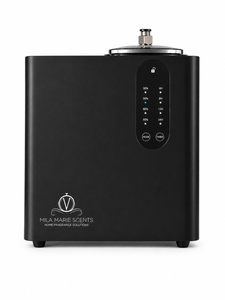
At Mila Marie Scents, we use cold-air diffusion with curated fragrance oils to give homes even scent coverage. ECHO Mini suits a smaller room. PULSE gives you Bluetooth control and coverage listed at up to 1,800 square feet. INFINITY, Elite Mini Pro, and Elite Car Pro give you other formats to consider based on the space.
Keep the diffuser on a dry surface away from the tub's splash zone. Follow the product instructions. Start at a low scent level, especially if children, pets, guests, or anyone with scent sensitivity shares the home.
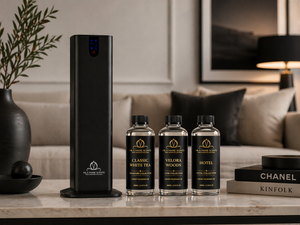
Choose a fragrance that supports your plan rather than competing with it. White Tea can fit a clean, quiet room. Velora Woods suits a warmer, grounded mood. Luxuré Harmony can work when you want a polished hotel-style feel without filling the room too fast.
Our guide to ambient scenting and its home uses explains how light scent coverage can fit into a room plan. The goal is a gentle backdrop, not a cloud of oil around the tub.
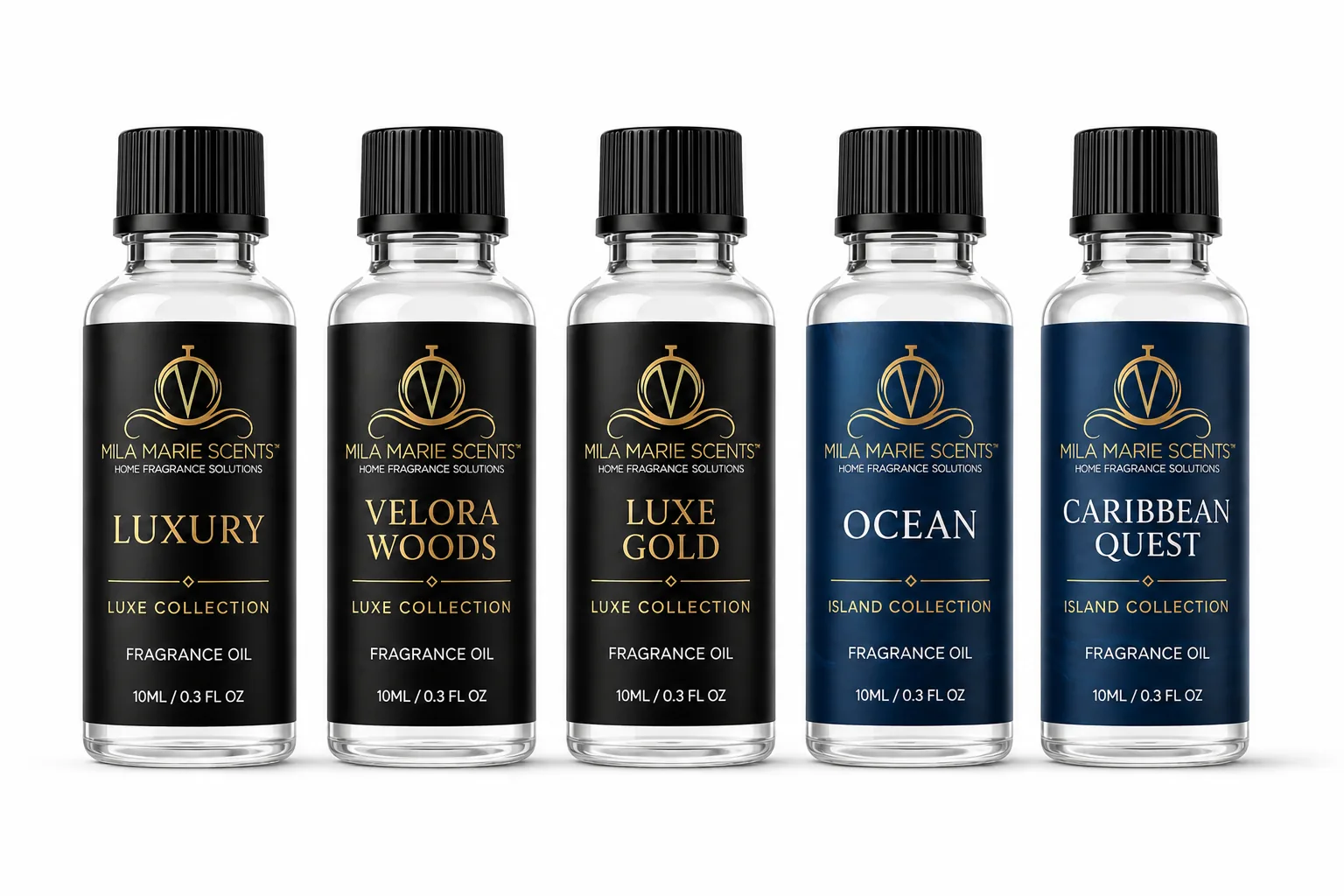
If you're unsure which scent suits your home, Mila Marie Scents also has a luxury fragrance oil sample pack for trying several profiles before choosing a larger format. Keep the test in a dry room first. Comfort comes before scent strength.
Frequently Asked Questions
What are the main hot tub health benefits?
The main possible hot tub health benefits are short-term relaxation, muscle comfort, increased circulation, and a temporary drop in blood pressure. Repeated passive-heat studies also report possible metabolic effects, but results depend on the protocol and the person. A hot tub should support healthy habits, not replace exercise or medical treatment.
Can a hot tub lower blood pressure?
A hot tub can lower blood pressure for a short time because heat widens blood vessels. A 10-minute immersion at 40°C lowered systolic pressure in one study of treated hypertension. The effect returned toward baseline after people left the tub. Anyone with low or poorly controlled blood pressure should ask a healthcare professional first.
How long should you stay in a hot tub?
Start with about 10 minutes and leave sooner if you feel too warm, weak, or dizzy. Longer sessions can increase the chance of dehydration or fainting. Use a timer instead of waiting for discomfort. If a clinician gives you a different plan, follow that advice rather than a general rule.
Can you use a hot tub before bed?
A hot tub may help some people wind down before sleep, but finish the soak about 60 to 90 minutes before bed. Your body needs time to cool after the heat. Evidence for sleep improvement is less firm than the evidence for short-term circulation changes, so treat it as a personal routine, not a guaranteed result.
Is a heat-free cold-air diffuser safe near a hot tub?
A heat-free cold-air diffuser is safer when it stays in a dry area away from splashes and wet hands. It should never sit on the tub edge. Mila Marie Scents products such as ECHO Mini and PULSE are designed for home fragrance use, but you should still follow the product instructions and keep fragrance levels low around sensitive guests.
Conclusion
Use a hot tub as a measured comfort habit: check your health first, keep the water near a moderate setting, limit the session, and stand up slowly. For the room itself, keep a heat-free diffuser well away from water. Start with a short soak and a low scent level, then adjust only when your body responds well.
Best-selling diffusers & fragrances for your home
Which Diffuser Is Right for You?
| Feature | INFINITY | HALO Tower |
|---|---|---|
| Price | $399.00 | $229.00 |
| Coverage | Up to 16,000 sq ft | Up to 4,000 sq ft |
| Type | HVAC / Whole-Home | Floor Standing |
| App Control | Yes (Bluetooth) | Yes (Bluetooth) |
| Free Oils Included | Yes (3 Oils) | Yes (3 Oils) |
| Warranty | 1-Year | 1-Year |
| Guarantee | 30-Day | 30-Day |
Swipe to compare →
Get 15% Off Your First Order
Join the Mila Marie family for early access to new fragrances, exclusive offers, and expert scenting tips.