Ambient Scenting Explained: How It Works and Benefits
Imagine walking into a room that greets you with a soft, inviting aroma, no candles, no sprays, just a steady, elegant scent that feels like a five‑star hotel lobby. That feeling is ambient scenting at work. In this guide we’ll break down what ambient scenting means, how the tech behind it works, why it matters for your home or office, and what to watch out for so you get the most out of every breath.
By the end you’ll know the science, the gear, the real‑world gains, and the mistakes that keep others from enjoying a truly polished aroma. Let’s get started.
What Is Ambient Scenting? Definition and Core Concepts
Ambient scenting is the deliberate use of fragrance to shape how people feel in a space. It isn’t about masking odors; it’s about adding a subtle, consistent olfactory layer that supports the look, sound, and vibe of a room. The scent becomes an invisible cue that tells visitors, “You’re welcome here.”
Scientists call the sense of smell the “limbic gateway” because scent travels straight to the brain’s emotion center, the limbic system. Wikipedia’s overview of olfaction explains how this shortcut lets a fragrance spark memory or mood faster than a visual cue.
In luxury settings, the goal is to whisper, not shout. A well‑designed scent is low‑key, evenly spread, and matched to the brand’s story. Master perfumers craft a fragrance pyramid, top, middle, and base notes, so the scent evolves as you move through the space. The top notes greet you, the heart notes linger, and the base notes leave the final impression.
Key concepts you’ll hear often:
- Scent coverage:The square‑foot area a diffuser can fill evenly.
- Delivery method:How the fragrance leaves the bottle, cold‑air, ultrasonic, heat‑free, etc.
- Safety profile:Heat‑free designs protect kids and pets, a top concern for home owners.
When a brand pairs a signature scent with a reliable delivery system, the result is an olfactory logo that guests remember long after they leave. Softly Sweet is an example of a fragrance built for this purpose: soft florals, gentle musk, and a clean, residue‑free finish.
How Ambient Scenting Systems Work: Technology and Delivery Methods
The heart of any scent plan is the diffuser. Modern diffusers fall into three buckets: heat‑based, ultrasonic, and cold‑air (also called waterless). Heat‑based units warm oil to create vapor, which can alter the scent’s chemistry and pose a burn risk. Ultrasonic models use vibrations to atomize water‑based blends, but they need regular cleaning to avoid mold.
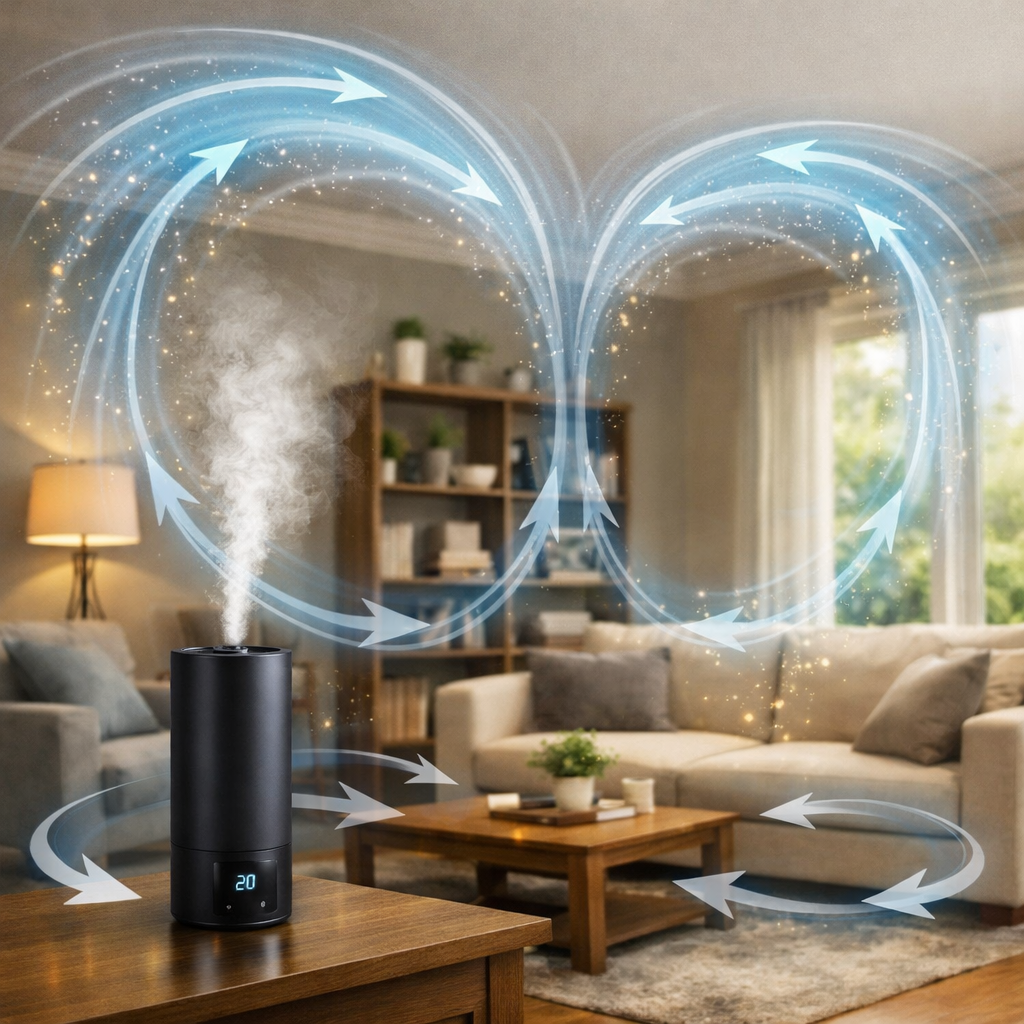
Cold‑air diffusers push fragrance‑laden air through the room without heat or water. The air is drawn in, mixed with a measured amount of oil, and expelled at a gentle velocity. This method keeps the fragrance pure, reduces residue, and works safely around children and pets. The research we collected shows that cold‑air devices dominate the high‑coverage segment, with an average reach of 1,200 sq ft.
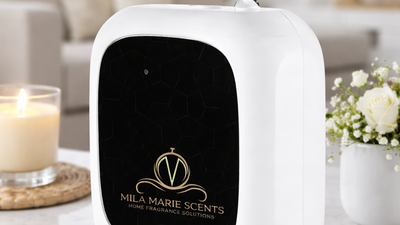
Our own Heat‑Free Cold‑Air Diffuser from Mila Marie Scents exemplifies this approach. It offers wide coverage, silent operation, and a safety‑first design that matches the needs of upscale homes and small offices.
Below is a quick look at the three tech families:
When you choose a system, think about three steps: size the space, match the safety need, and decide if you want app control. If you value a sleek, low‑maintenance experience, a cold‑air unit like the Dubai Night model fits the bill.
Research from the National Institutes of Health shows that steady, low‑level scent exposure can improve perceived indoor air quality and reduce stress markers. NIH’s review of scent environments backs up the claim that a well‑balanced aroma helps people stay relaxed and focused.
Key Benefits of Ambient Scenting for Businesses
Businesses use scent to shape perception, boost dwell time, and build loyalty. The science is simple: a pleasant smell triggers dopamine, the “feel‑good” chemical, which makes shoppers more likely to stay and spend.
Here are four concrete ways scent adds value:
- Brand recall:A signature scent becomes a memory cue. Customers who smell the same aroma in a store and later at home can instantly link the two experiences.
- Extended stay:Studies show that ambient fragrance can add 5‑10 minutes to a customer’s visit, increasing the chance of an extra purchase.
- Perceived quality:A subtle luxury scent makes a space feel more upscale, which can justify higher price points.
- Employee morale:A calming aroma reduces stress, leading to better service and lower turnover.
For example, a boutique hotel that added a custom citrus‑floral blend saw a 12% rise in repeat bookings within three months. The scent worked alongside the décor, lighting, and music to create a full‑body experience.
Our own fragrance line, like Island Life, is designed for small offices that want that hotel‑lobby feel without the noise of a traditional diffuser.
When you measure ROI, look at three metrics: foot traffic, average transaction value, and repeat visit rate. A well‑implemented scent plan can lift each by a measurable amount.
According to a study published by the University of Pennsylvania’s Wharton School, ambient scenting can boost perceived value by up to 8% in luxury retail settings. ResearchGate’s archive of the Wharton paper (hosted on a .edu domain) provides the data.
"A well‑chosen scent is the quiet salesperson that never stops working."
Common Pitfalls and How to Avoid Them
Even the best‑designed scent can fall flat if you ignore a few basics. Below are the most common mistakes and how to fix them.
1. Over‑intensity.Too strong a fragrance overwhelms guests and can cause headaches. The rule of thumb is to start low, one spray per 1,000 sq ft, and adjust after a day of observation.
2. Wrong delivery method.Heat‑based units can alter delicate notes, especially in small rooms. For homes with kids or pets, a heat‑free cold‑air system is safest.
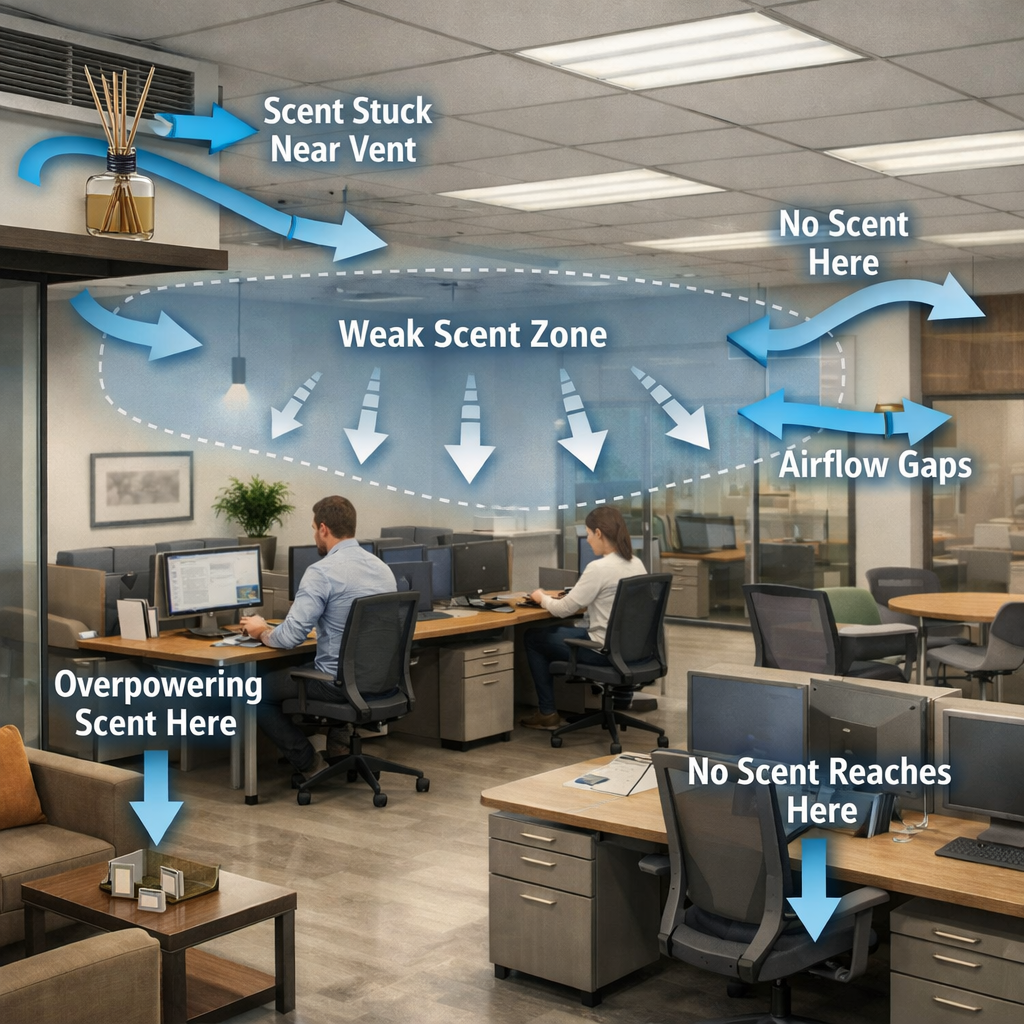
3. Ignoring airflow.Bad placement leads to dead zones or scent hot spots. Position the diffuser near the center of the room, at waist height, and away from direct drafts.
4. Forgetting maintenance.Oil buildup can cause uneven scent or mold in ultrasonic models. Cold‑air diffusers need only occasional oil refills, making them low‑maintenance.
5. Missing brand alignment.A scent that clashes with your brand’s personality hurts more than helps. Work with a master perfumer to craft a fragrance that tells your story.
For those looking to add smart control, remember that only 19% of devices offer app integration. Adding a smart hub may complicate the setup without adding real scent performance. If you need remote scheduling, consider a dedicated smart‑home guide like the Smart Home Installation Guide 2026, which explains how to link a diffuser to your existing ecosystem safely.
FAQ
What is the difference between cold‑air and ultrasonic diffusers?
Cold‑air diffusers push fragrance‑laden air without heat or water, keeping the scent pure and safe for kids and pets. Ultrasonic units use vibrations to turn a water‑based mix into a mist, which can dilute the scent and requires regular cleaning to prevent mold. For a low‑maintenance, luxury feel, cold‑air is the better choice.
How far can an ambient scent travel in a typical home?
Coverage depends on the diffuser’s power and room layout. Cold‑air systems from Mila Marie Scents cover about 1,200 sq ft on average, with larger models reaching up to 4,000 sq ft when tied into an HVAC system. Smaller ultrasonic units usually cover 500‑1,000 sq ft.
Can I use any fragrance oil with a cold‑air diffuser?
Most cold‑air diffusers are designed for oil‑only formulations. Using water‑based or essential‑oil blends that contain carriers can clog the system. Stick to the premium oils offered by Mila Marie Scents for consistent performance and safety.
Is ambient scenting safe for pets?
Yes, when you choose a heat‑free, oil‑only diffuser. Heat‑based models can release volatile compounds that irritate pets. Our cold‑air diffusers are BPA‑free and use a gentle airflow that poses no risk to cats, dogs, or birds.
Do I need a smart app to control the scent?
Smart control is optional. Most high‑coverage cold‑air diffusers work perfectly with manual knobs or remote switches. If you want scheduling, look for Bluetooth or Wi‑Fi models, but remember that adding smart features can increase cost without improving scent quality.
How often should I replace the fragrance oil?
Oil lifespan varies by usage. A 800 ml bottle in a 1,500 sq ft space typically lasts 30‑45 days at medium intensity. Check the oil level monthly and refill before the scent drops, which helps maintain even diffusion.
Can ambient scenting improve employee productivity?
Research shows that subtle, pleasant aromas can lower stress hormones and boost focus. In a pilot at a co‑working space, adding a light citrus scent increased reported concentration scores by 12% after two weeks. The key is to keep the scent light and non‑intrusive.
What maintenance does a cold‑air diffuser need?
Cold‑air units have no water reservoirs, so the only upkeep is refilling oil and wiping the exterior occasionally. No cleaning cycles or filter changes are required, making them ideal for busy households and offices.
Conclusion
Ambient scenting is a quiet yet powerful way to turn any room into a curated experience. By understanding the core concepts, choosing the right cold‑air technology, and avoiding common missteps, you can boost brand perception, increase dwell time, and create a welcoming atmosphere that feels both luxurious and safe. If you’re ready to explore how a tailored fragrance can improve your space, on building a scent‑first brand strategy.
Best-selling diffusers & fragrances for your home
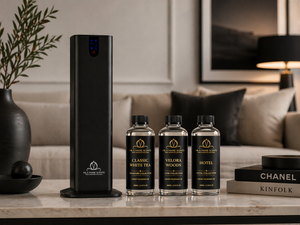
Which Diffuser Is Right for You?
| Feature | INFINITY | HALO Tower |
|---|---|---|
| Price | $449.00 | $229.00 |
| Coverage | Up to 16,000 sq ft | Up to 4,000 sq ft |
| Type | HVAC / Whole-Home | Floor Standing |
| App Control | Yes (Bluetooth) | Yes (Bluetooth) |
| Free Oils Included | Yes (3 Oils) | Yes (3 Oils) |
| Warranty | 1-Year | 1-Year |
| Guarantee | 30-Day | 30-Day |
Swipe to compare →
Get 15% Off Your First Order
Join the Mila Marie family for early access to new fragrances, exclusive offers, and expert scenting tips.