How to Design a Scent Workflow for Vacation Rentals
A scent workflow for one rental can live in a host's memory. A workflow for twenty units needs zones, set rules, and a handoff that cleaners can follow.
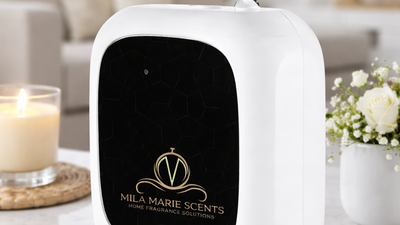
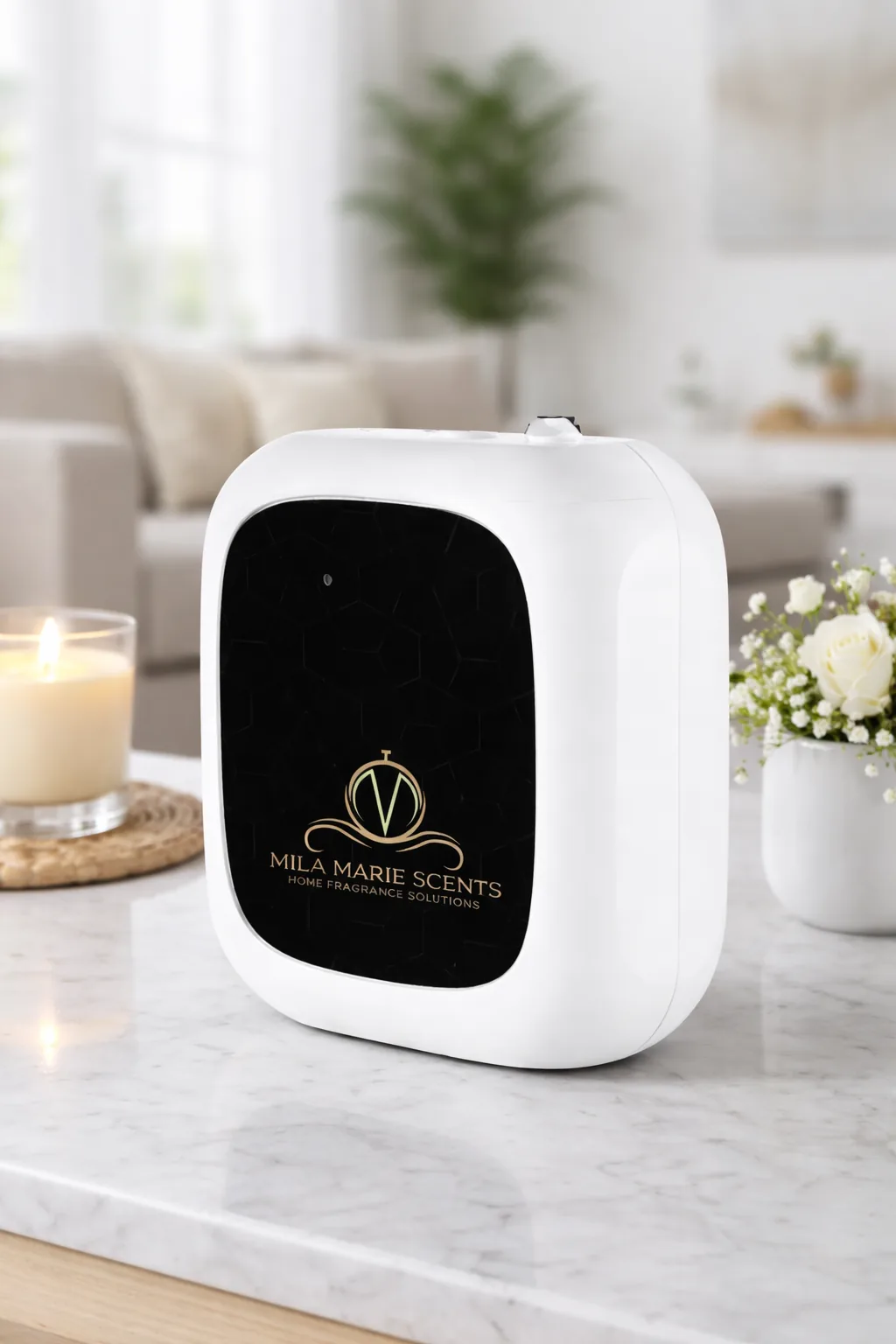
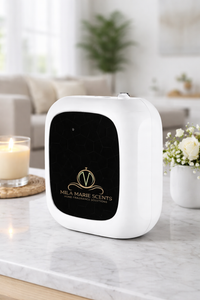
The most flexible starting point is a portable, heat-free diffuser. Mila Marie Scents ECHO Mini covers 700 square feet, runs on batteries, and needs no wiring. Use the steps below to build a scent plan that works across changing layouts and busy turnovers.
Step 1: Audit Each Property and Define Its Scent Zones
Start by mapping each rental before you pick a fragrance or diffuser. Your goal is a short zone map for each unit that shows where guests form an impression and where scent can travel.
Walk through each unit with the HVAC off, then repeat the walk with it running. Mark the entry, living area, bedrooms, bathrooms, kitchen, halls, stairs, supply vents, return vents, windows, and ceiling fans. Note open doors between rooms. Also note spots where guests or cleaners may unplug a device.
Give each area one of three jobs:
- Arrival zone: the entry and first visible living space. This is where a clean, light scent should greet the guest.
- Stay zone: the living room, kitchen, dining area, or open plan. This needs coverage that matches the shared air volume.
- Private zone: bedrooms, bathrooms, and small offices. These spaces usually need softer output and more careful placement.
Measure the square footage of each connected space. A 700-square-foot rating won't scent a 1,500-square-foot open plan evenly. If a rental has separate bedrooms, don't count every room as one open zone just because the doors stay open during cleaning.
Use a simple sheet for each unit. Record the zone, square footage, diffuser location, oil in use, intensity, and last check date. A manager should be able to understand the setup without visiting the property.
By now you should have one zone map per unit, plus a list of rooms that need separate treatment. Don't buy hardware until this audit shows where scent must reach.
Step 2: Choose One Scent Strategy for Each Property Type
Choose the scent strategy by property type, not by personal taste. A coastal studio and a large family house may share a brand identity while using different coverage plans.
For most portfolios, begin with one signature fragrance for shared areas. Clean linen, white tea, light cedar, and soft musk tend to feel quieter than heavy floral, smoky, or dessert-like notes. The aim is a cared-for room, not a room that announces perfume.
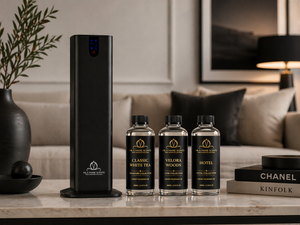
Mila Marie Scents White Tea is a sensible candidate for a broad portfolio test. Velora Woods can suit a warmer property style, while Luxuré Harmony gives you another named option for a more polished guest setting. Test each oil in one unit before rolling it out across every door.
Keep the number of active scent families small. A useful rule is one oil for the living zone and, only when needed, a softer or fresher choice for bathrooms. Too many oils make restocking harder and can produce scent clash at doorways.
Set different rules for each property type:
- Studios: use one restrained scent across the main room. Place the diffuser away from the bed and cooking area.
- One-bedroom units: scent the living zone first. Add the bedroom only after a test shows that the shared area doesn't reach it.
- Large houses: split the floor plan into zones. One strong scent source in the entry won't fix a distant upstairs room.
- Beach or lake rentals: favor a fresh profile that can sit beside outdoor air and damp towels.
- Urban apartments: test the plan against cooking odors, hallway air, and the building's own smells.
A seasonal scent rotation can work, but it should be controlled. When you change an oil, clean the nozzle or reservoir according to the device instructions. Otherwise, the old scent can cloud the first days of the new one.
Use a sample or small pilot before a portfolio order. If one fragrance feels strong in a 20-minute visit, remember that a guest may spend several hours in the same room. Ask a second staff member to assess the space, since noses adapt quickly.
Step 3: Match Cold-Air Diffusers to Coverage and HVAC Layout
Match the diffuser to connected square footage first, then check power, placement, and HVAC access. Coverage alone doesn't tell you whether a unit fits a rental portfolio.
A cold-air diffuser sends fragrance oil into the air without heating it. The term HVAC refers to heating, ventilation, and air conditioning, the system that moves treated air through a building.
For a leased condo or scattered portfolio, installation complexity often matters more than the biggest coverage number. A whole-home HVAC system may reach up to 3,000 square feet in the supplied comparison, but it needs permanent ductwork. That can be hard to justify when you don't own the building or can't alter the mechanical system.
Mila Marie Scents ECHO Mini is the usable first test for small rental zones because its supplied coverage is 700 square feet, it runs on batteries, and it needs no wiring. That makes it useful in bedrooms, bathrooms, offices, and small living spaces where a permanent install would add work without solving a clear problem.
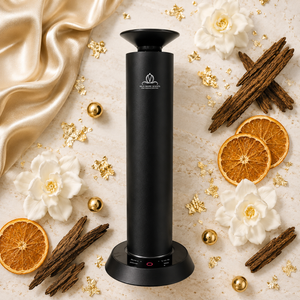
For larger connected areas, review the Mila Marie Scents lineup before placing separate units in every room. PULSE is a Bluetooth cold-air diffuser with supplied coverage of up to 1,800 square feet. INFINITY is an HVAC cold-air diffuser listed for coverage of up to 16,000 square feet. Those products belong in a different planning conversation than a small battery unit.
Bluetooth units can cover more space, but they still need a power outlet. In a high-traffic rental, a cleaner or guest may unplug the diffuser to charge a device or clear a counter. Record the outlet location in the unit sheet, then choose a spot that remains useful and hard to disturb.
Portable plug-in models can suit one room, while a plug-and-go unit with a smaller footprint may fit a very compact space. Don't place a 250-square-foot device in an open living area and expect the rating to stretch.
When you need a wider range of free-standing options, compare portable formats with larger floor units in a diffuser collection. Start with one device in the main zone. Add another only when your test log shows a true coverage gap.
Step 4: Build the Housekeeping, Turnover, and Restocking SOP
A scent SOP should tell a cleaner what to inspect, what not to change, and how to report a problem. It must fit inside the existing turnover routine.
Write the process as a short checklist. Put the same version in the cleaner app, unit binder, or work order system. Avoid instructions such as “make it smell nice.” That phrase leaves too much room for personal judgment.
Before the guest arrives
- Remove the source of bad odor first. Empty bins, clear food waste, dry damp towels, and check drains.
- Confirm the diffuser is in its mapped location. Do not move it beside a vent, open window, stove, or shower spray.
- Check the power state or battery status. Make sure the oil connection is secure.
- Use the assigned oil only. Never top off one oil with another.
- Set the approved intensity or schedule. Cleaners should not raise output because a room smells faint during a quick visit.
For ECHO Mini units, make battery checks part of the same task as remote-control checks for powered devices. For PULSE, Elite Mini Pro, or Elite Car Pro, record the assigned location and control method in the unit sheet. Product fit will vary by zone, so don't give every model the same restock rule.

Restock without guesswork
Keep a small stock count by property. Track the oil name, unopened units, device type, last refill, and next review date. Store oils upright in a cool, secure area that cleaners can reach but guests cannot.
Use a two-bin rule for each active oil. One bin stays in use. The second holds the next approved refill. When the backup is opened, the cleaner flags the unit for restock. This is easier to audit than asking a cleaner to remember whether the last bottle was nearly empty.
Never treat fragrance as a fix for mold, sewage odor, smoke, spoiled food, or a wet HVAC filter. Pause scenting and send the source issue to maintenance. Covering the smell can make a guest complaint harder to diagnose.
A strong SOP also sets a guest-safety boundary. Keep every device stable and out of reach where children or pets may knock it over. Follow the product instructions for oil handling, cleaning, and placement.
By now you should have a repeatable turnover task, a stock count, and an escalation rule. The cleaner handles the check. The manager handles changes to the system.
Step 5: Measure Scent Consistency and Scale Across Units
Measure scent consistency with a simple room score and a short issue log. You don't need a complex dashboard to spot failed batteries, misplaced units, or over-scented rooms.
After each turnover, ask the cleaner to score the arrival zone as faint, balanced, or strong. Add a note if the room has a source odor, open windows, unusual HVAC activity, or a device that was unplugged. The score is a signal, not a scientific measurement.
Managers should review the logs once each week during the pilot. Look for repeated patterns:
- Several faint scores may point to battery loss, a clogged nozzle, or poor placement.
- Several strong scores may point to an intensity setting that doesn't fit the room.
- One unit with repeated odor reports may need maintenance, not more fragrance.
- Different scores from different cleaners may show that the SOP needs clearer words.
Keep one change per test cycle. Move the diffuser first, then review the result. If placement looks right, adjust intensity. If the room still fails, check the odor source and hardware.
Use the same fragrance code across similar units. For example, assign White Tea to shared spaces in one property group and Velora Woods to a separate group with a warmer design. Keep a written reason for each choice so a new manager doesn't change the plan based on one personal preference.
Scale in batches. Pilot one unit the scores after several turnovers, then add the next group. This protects the portfolio from a costly rollout based on a single floor plan.
Guests may never mention the diffuser. That is fine. The useful signal is a clean arrival, fewer scent-related complaints, and a system that still works when the regular cleaner is away.
If you want a second opinion on layout and product fit, Mila Marie Scents provides a free scent marketing consultation with recommendations based on layout, traffic, and goals.
Frequently Asked Questions
What is a heat free cold air diffuser?
A heat-free cold-air diffuser disperses fragrance oil without heating it. For a vacation rental, that means you can place scent equipment without using a candle or water-based mist. The right choice still depends on room size, power access, airflow, and the device instructions. Mila Marie Scents uses cold-air diffuser formats across its lineup.
What is the best cold air diffuser bundle for a vacation rental?
The best cold-air diffuser bundle matches one device and one approved oil to each zone. For a small bedroom or bathroom, start with the battery-operated ECHO Mini and a restrained oil such as White Tea. Larger open areas may need PULSE or an HVAC model. Test one unit before buying a portfolio-wide bundle.
How do I choose a luxury aroma diffuser for multiple rental units?
Choose a luxury aroma diffuser by coverage and operating burden first. A portable unit is often easier to move between layouts than an installed system. Check whether cleaners can inspect it during turnover, whether guests may unplug it, and whether the scent feels balanced after a full stay. Mila Marie Scents products include ECHO Mini, PULSE, and INFINITY for different setups.
Can I mix and match fragrance oils in vacation rentals?
You can mix and match fragrance oils by zone, but keep the portfolio plan small. Use one oil in shared spaces and a separate approved profile only where it has a clear job. Never pour oils together unless the product instructions allow it. Clean the device before changing oils to reduce scent carryover.
Can I try before I buy home fragrance for a rental portfolio?
Yes, test home fragrance in one representative unit before a wider purchase. Run the device at the planned setting through several turnover checks. Ask two staff members to score the arrival zone and record any guest feedback. A luxury fragrance oil sample pack can help compare profiles, but the final test must happen in the actual rental.
Conclusion
Start with a zone map and pilot Mila Marie Scents ECHO Mini in one bedroom, bathroom, or small living area. Record the placement, oil, battery state, and room score through several turnovers. Once that small workflow holds steady, copy it across similar units and consider PULSE or INFINITY only where the layout truly calls for more coverage.
Pet-safe diffusers & clean fragrance oils
Get 15% Off Your First Order
Join the Mila Marie family for early access to new fragrances, exclusive offers, and expert scenting tips.