
How to Configure Scent Zoning for Multi-Level Houses
Multi-level homes are one of the hardest spaces to fragrance well. Scent rises, stairwells act like chimneys, and what smells perfect on the ground floor can turn overpowering by the time it reaches the bedroom level. Done right, scent zoning gives each floor its own identity while keeping the whole home feeling intentional and polished.
Step 1: Map Your Home's Levels and Zones
The goal here is simple: know exactly what you're working with before you buy a single diffuser. Walk every floor and note the square footage, ceiling height, and how each space connects to the next.
Draw a rough floor plan for each level. Mark the open areas (living room, kitchen, hallway) separately from the closed rooms (bedrooms, bathrooms, home office). Open-plan spaces need more diffuser power because the air moves freely. Closed rooms are easier to control but can trap scent if you overdo the intensity.
Pay close attention to your stairwells. In multi-story homes, warm air naturally rises from lower floors to upper floors. This is called the stack effect, and it means fragrance molecules travel upward with that warm air. If you place a strong diffuser at the base of your stairs, expect that scent to migrate to the floors above. That's not always bad, but it has to be part of your plan.
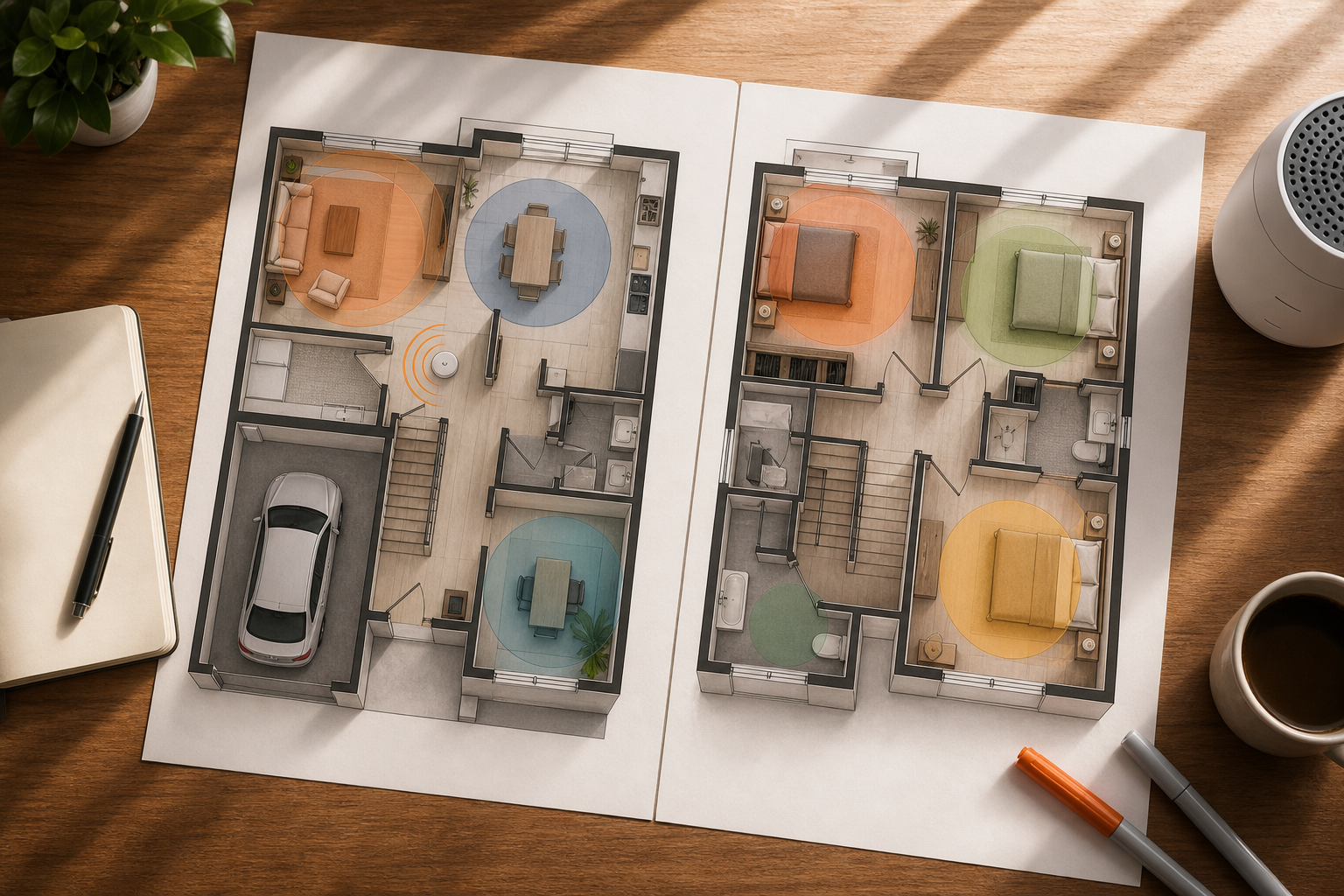
Also note your HVAC vents. If your system runs central air or heating, it's already moving air between floors. An HVAC-integrated cold-air diffuser, which connects directly to your system, can use that existing airflow to distribute fragrance across the whole home. For most multi-level setups, though, you'll want a mix of HVAC and standalone diffusers so each zone stays distinct.
By the end of this step, you should have a written list of zones per floor, the approximate square footage of each, and a note on how open or closed each space is. That list drives every decision that follows.
Step 2: Choose the Right Diffuser for Each Zone
Diffuser type matters as much as fragrance choice. Cold-air diffusers are the right tool for whole-home and multi-level setups because they atomize fragrance oil into a dry micro-mist without heat or water. Heat-based diffusers alter the scent profile of the oil. Ultrasonic (water-based) diffusers add humidity and can leave residue on surfaces. Cold-air technology keeps the fragrance clean, residue-free, and consistent across large coverage areas.
Here's how to match diffuser size to zone type:
For a standard three-level home, a typical setup might look like this: an HVAC-integrated unit handling the shared air throughout the home at a low baseline intensity, with standalone units on each occupied floor running their own scent profiles at higher intensity during peak hours.
A large-coverage Bluetooth cold-air diffuser works well for open living spaces because you can dial intensity up or down from your phone without walking to the unit. That matters when you're cooking on the ground floor and don't want the kitchen smell competing with your fragrance.
If you're unsure which units suit your layout, the guide to whole-home fragrance systems for large homes breaks down coverage options in more detail. One honest caveat: don't over-spec. A diffuser with 1,800 sq ft coverage in a 400 sq ft bedroom will overwhelm the space even at minimum intensity. Match the unit to the zone, not the other way around.
Step 3: Select Complementary Scents Per Zone
This is where most people go wrong. They pick one scent for the whole house and wonder why it smells flat. The better approach is to assign scents by function and mood, then make sure the scents on adjacent floors share at least one note so there's no jarring transition as you move between levels.
Think about how you use each floor. Ground floors with kitchens and living areas benefit from fresh, welcoming scents. A fresh, airy fragrance with cedar and musk works well here because it's welcoming without being sharp. Upper bedroom floors call for something calmer. Royal Bliss, with bergamot, lavender, musk, and patchouli, is a good fit for a floor where you want to wind down.
The key to avoiding scent clash on the stairwell transition is shared base notes. If your ground floor runs a cedar-and-musk scent and your upper floor runs a sandalwood-and-spice scent like Velora Woods, both share warm woody undertones. The transition feels natural rather than abrupt.
If you're not sure which scents will work together across your floors, start with a luxury fragrance oil sample pack before committing to full bottles. Mila Marie Scents offers samples of 15 oils so you can test combinations in your actual space, under your actual lighting and airflow conditions, before you decide.
A few pairings that work well for multi-level homes:
- Ground floor: fresh cedar-and-musk scent (fresh, welcoming) + Upper floor: Royal Bliss (calming, floral-woody)
- Ground floor: Legacy (citrus, cedar, musk) + Upper floor: Velora Woods (teakwood, sandalwood)
- Ground floor: Classic White Tea (clean, citrus-floral) + Upper floor: Mila's Way (clean floral, wood)
Avoid pairing a very sweet gourmand scent on one floor with a sharp citrus or green scent directly above. Those two profiles have nothing in common and the transition at the stairwell will be noticeable in a bad way.
Step 4: Position Diffusers for Even Scent Distribution
Where you place a diffuser changes everything. A cold-air diffuser releases a dry micro-mist that travels with air currents, so you want to place it where those currents already exist, not in a dead corner where the air is still.
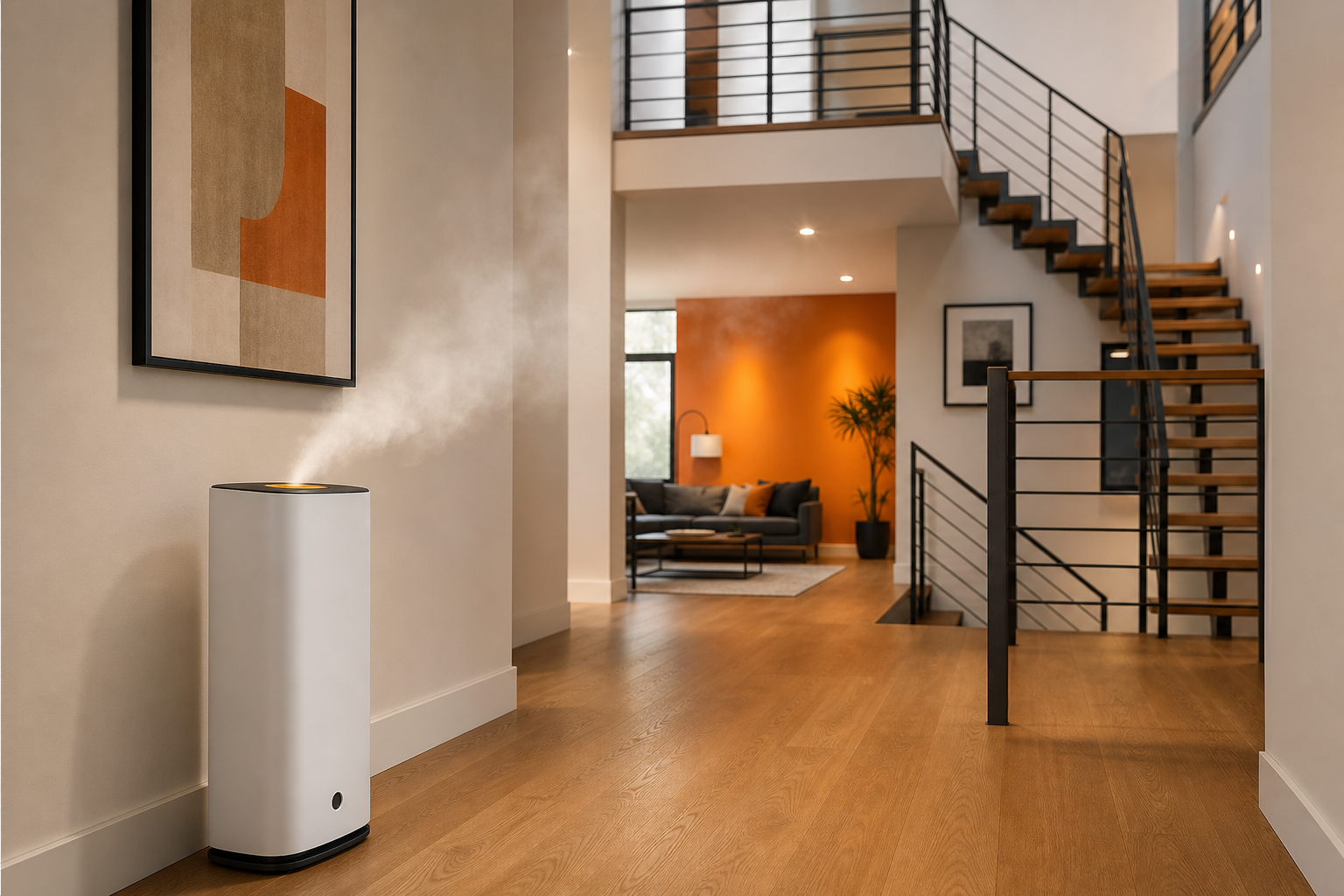
On the ground floor, place the diffuser near the center of the space or close to a return air vent. Both positions help the fragrance travel outward rather than pooling in one spot. Avoid placing it directly against a wall or inside a cabinet. The mist needs open air to disperse.
For upper floors, position the diffuser away from the stairwell opening. If you place it too close to the stairs, the stack effect pulls its scent downward and mixes it with the ground-floor fragrance. Move it toward the far end of the hallway or into the room with the highest foot traffic on that level.
Height matters too. Cold-air mist is denser than warm air, so it tends to settle slightly after release. Placing a diffuser at counter height (roughly 3 to 4 feet off the floor) lets the mist travel horizontally before it disperses. A diffuser sitting on the floor in a corner will scent a much smaller area than the same unit on a shelf at mid-height.
For homes using a floor-standing cold-air scent system, its elevated design already accounts for this by releasing mist from an improved nozzle positioned at an optimal height, making it a strong choice for an open-plan ground floor or a large upper-level loft area.
One thing to watch: don't place any diffuser directly under a ceiling fan or near an open window. Fans disperse the mist too fast before it can saturate the space, and open windows simply pull fragrance outside. The goal is controlled air movement, not maximum airflow.
Step 5: Set Schedules and Intensity Levels by Zone
Running every diffuser at full intensity all day wastes oil and overwhelms the senses. The better approach is to set each zone on a schedule that matches how you actually use that space.
Most Mila Marie Scents cold-air diffusers connect via Bluetooth and let you set run times and intensity from your phone. Use that. A typical schedule for a three-level home might look like this:
- Ground floor (living/kitchen): 70% intensity, running 7 AM to 10 PM
- Upper floor (bedrooms): 40–50% intensity, running 7 PM to 11 PM and 6 AM to 8 AM
- HVAC baseline (if using an HVAC-connected diffuser): 20–30% intensity, running continuously as a background layer
The logic is simple. You want the ground floor active during waking hours when guests and family are moving through. The bedroom floor only needs fragrance during wind-down and morning routines. Running it all night at full intensity means you'll stop noticing it within a few days because your nose adapts to constant stimulation.
Seasonal adjustments matter too. In winter, homes are sealed tighter and fragrance builds up faster, so drop intensity by about 10–15% compared to summer settings when windows may be open occasionally. If you have underfloor heating, the warm floor surface accelerates scent rise to upper levels, another reason to keep upper-floor intensity conservative.
The principle here mirrors how HVAC zoning works for temperature. Just as air conditioner zoning divides a home into independently controlled temperature areas, scent zoning divides it into independently controlled fragrance areas. Each zone runs on its own schedule and intensity rather than one system trying to do everything at once.
Step 6: Test, Adjust, and Prevent Scent Bleed Between Zones
Scent bleed is what happens when fragrance from one zone drifts into the next and the two scents mix in a way you didn't plan. It's the most common problem in multi-level scent zoning, and it's almost always fixable once you know where it's happening.
After your system has been running for two to three days, walk your home at different times. Stand at the top of the stairwell and identify what you smell. If it's a clean blend of both floors' scents, your pairing is working. If it smells muddy or confusing, one of three things is happening: the intensity on one floor is too high, the scents don't share enough base notes, or the diffuser placement is too close to the stairwell opening.
Fix scent bleed in this order. First, reduce intensity on the dominant floor by 15, 20%. If that doesn't resolve it, move the ground-floor diffuser further from the stairs. If the problem persists, reconsider the scent pairing and try two oils with closer fragrance profiles.
For families with pets or young children, scent bleed into bedrooms at night is a real concern. Keep bedroom-zone diffusers on a strict off-schedule after midnight. Cold-air technology is heat-free and uses no open flame, which removes the safety risks associated with candles or heated wax, but fragrance concentration in an enclosed sleeping space should still be kept low. A cold-air diffuser with quiet operation and scheduling capability makes it easy to set a hard cutoff without getting up to turn it off manually.
Test again after each adjustment. Give the space 24 hours to settle before evaluating whether the change worked. Scent perception is cumulative, so a same-day assessment after adjusting intensity is rarely accurate.
FAQ
How many diffusers do I need for a two-story home?
Most two-story homes need at least two standalone diffusers, one per floor, plus an optional HVAC unit for whole-home baseline coverage. The exact number depends on square footage and whether your floors are open-plan or divided into closed rooms. A typical two-story home with an open ground floor and closed upper bedrooms works well with a larger-coverage cold-air diffuser on the ground floor and a mid-range unit on the upper level.
What is the stack effect and how does it affect scent zoning?
The stack effect is the natural movement of warm air upward through a building. In multi-level homes, this means fragrance placed on lower floors will drift upward toward upper floors over time. To account for it, run upper-floor diffusers at lower intensity than ground-floor units, and position ground-floor diffusers away from stairwell openings to slow that upward migration.
Can I use different scents on different floors without them clashing?
Yes, as long as the scents share at least one base note. Pairing a fresh-cedar scent on the ground floor with a sandalwood-woody scent upstairs creates a natural transition because both share warm wood undertones. Avoid pairing sweet gourmand scents with sharp green or citrus scents on adjacent floors. Testing with a fragrance sample pack before committing to full bottles is the most reliable way to find combinations that work in your specific space.
Is a cold-air diffuser safe for homes with kids and pets?
Cold-air diffusers are heat-free and flameless, which removes the burn and fire risks associated with candles and heated wax melts. They also produce no water vapor, so there's no humidity buildup. Keep fragrance intensity low in rooms where children or pets sleep, and use a scheduled off-timer to stop diffusion overnight. Always use high-quality fragrance oils specifically formulated for cold-air diffusion rather than essential oils not designed for that purpose.
How do I stop scent from one floor bleeding into another?
Reduce the intensity on the dominant floor first. Then check diffuser placement and move units further from stairwell openings. If bleed persists, switch to scent pairings with closer fragrance profiles so any mixing at the transition point still smells intentional. Running each zone on an independent schedule so not all diffusers run simultaneously also reduces the total fragrance load in the home's shared air.
What's the difference between HVAC scenting and standalone diffusers for multi-level homes?
An HVAC diffuser connects to your central air system and distributes a single fragrance baseline throughout the whole home using existing ductwork. Standalone diffusers run independently per zone and let you assign different scents to different floors. Most multi-level setups benefit from both: an HVAC unit for a light whole-home background scent and standalone units per floor for distinct zone identities.
Conclusion
Scent zoning a multi-level home takes a bit of planning upfront, but once each floor has the right diffuser, the right scent, and a schedule that matches how you live, the whole home feels cohesive rather than fragmented. Start with the floor map, match diffuser coverage to zone size, and keep upper-floor intensity conservative. If you want to skip the guesswork on scent selection, the Mila Marie Scents sample pack lets you test 15 oils in your actual space before committing. Browse the full premium diffuser collection to find the right unit for each zone in your home.
Best-selling diffusers & fragrances for your home
Which Diffuser Is Right for You?
| Feature | INFINITY | HALO Tower |
|---|---|---|
| Price | $399.00 | $229.00 |
| Coverage | Up to 16,000 sq ft | Up to 4,000 sq ft |
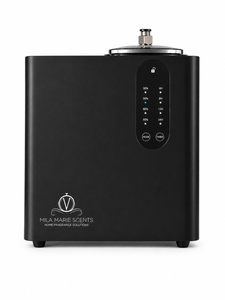
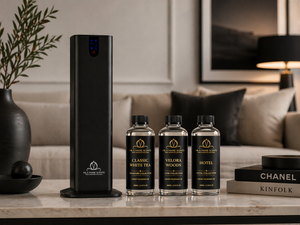
| Type | HVAC / Whole-Home | Floor Standing |
| App Control | Yes (Bluetooth) | Yes (Bluetooth) |
| Free Oils Included | Yes (3 Oils) | Yes (3 Oils) |
| Warranty | 1-Year | 1-Year |
| Guarantee | 30-Day | 30-Day |
Swipe to compare →
Get 15% Off Your First Order
Join the Mila Marie family for early access to new fragrances, exclusive offers, and expert scenting tips.