What Scent Do Hotels Use? Complete Explainer
Ever walked into a lobby and felt instantly relaxed? That’s the power of scent. Hotels spend millions to craft a smell that sticks in your memory. In this guide we’ll break down what scent hotels use, how they choose it, the ingredients behind the aromas, real‑world case studies, and why the right fragrance can boost guest loyalty.
By the end you’ll know the mechanics of hotel scent branding, how to evaluate a signature fragrance, and what to look for if you want a five‑star aroma in your own space.
Understanding Hotel Scent Branding
Hotels treat scent like a visual logo. A subtle aroma can whisper luxury, comfort, or adventure before a guest even sees the décor. A well‑chosen scent gives a brand something to be remembered by, and it does its work on emotion rather than on anything a guest consciously notices.
Why does this happen? The nose plugs directly into the brain’s limbic system, the hub for emotion and memory. When a scent triggers a pleasant feeling, the brain tags that feeling to the place you’re in. That’s why a signature hotel fragrance can become a mental shortcut for “luxury stay.”
Hotels differ in how they deploy scent. Some use a single signature perfume across all touchpoints , lobby, rooms, spa, even amenities. Others layer scents: a fresh citrus in the lobby, a warm wood in the suites, and a calming herb in the spa. The goal is consistency, so the scent becomes an invisible thread tying every space together.
When a hotel picks a scent, it first defines the brand story. Is the brand modern and energetic? Or timeless and elegant? That story shapes the fragrance family , citrus for energy, oud for opulence, white tea for calm.
Below is a quick decision matrix to help you see the main variables.
Bottom line:Scent branding turns an ordinary lobby into a memorable experience that supports the hotel’s identity.
How Hotels Choose Their Signature Scent
Choosing a signature scent is a mix of art and science. First, the hotel defines its story , think of it as a short brief that says what emotion the brand wants to spark.
Next, a fragrance house creates several concepts. Each concept layers top, heart, and base notes. Top notes are bright and fade fast; heart notes bloom after a few minutes; base notes linger for hours. The hotel then tests these blends in real rooms.
Testing matters because airflow, room size, and surface materials change how a scent smells. That is why on‑site trials usually run for a full day. A fragrance reads differently in the morning than it does at night, and differently again once the room is full of people or the kitchen is running.
During testing, hotels watch for two things: guest reaction and scent consistency. Guest feedback can be gathered via surveys, comment cards, or social listening. Consistency means the scent should smell the same in the lobby, the hallway, and the spa, even as the HVAC system cycles.
Once the perfect blend is locked, the hotel chooses a delivery system. Most hospitality scenting now uses waterless cold‑air diffusion, which disperses the oil without heat or water and leaves no residue behind. The system pushes a fine mist of fragrance through the HVAC vents, spreading the scent evenly.
Finally, the hotel decides on ancillary products , scented soaps, candles, or room sprays , to reinforce the scent beyond the air.
Bottom line:A hotel’s signature scent is chosen through brand storytelling, layered fragrance design, real‑world testing, and a reliable diffusion system.
Common Ingredients and Fragrance Families
Hotel fragrances draw from a palette of natural and synthetic ingredients. The most common families include citrus, woody, floral, and aromatic herbs.
Citrus notes like bergamot, lemon, and orange add brightness and energy. They’re popular in resort lobbies where a fresh, clean feel is key.
Woody notes , sandalwood, cedar, oud , bring depth and a sense of luxury. They’re often used in upscale boutique hotels to evoke warmth and sophistication.
Floral notes such as jasmine, rose, and iris give a soft, elegant touch. They work well in spa areas where calm and romance are desired.
Aromatic herbs , sage, rosemary, thyme , add an herbal crispness that can balance sweeter notes. They’re a favorite in urban hotels that want a modern, clean vibe.
Here’s a quick cheat sheet of popular ingredients and the feelings they evoke:
- White Tea: calm, clean, timeless.
- Oud: opulent, exotic, strong.
- Lavender: soothing, restful.
- Grapefruit: uplifting, fresh.
Hotels often blend natural essential oils with high‑grade aroma chemicals to achieve stability and longevity. The blend ratio matters , a hotel scent is meant to be noticed on the way in and then forgotten, not to sit at the front of your nose all evening.
One thing worth knowing before you shop: plenty of vendors market the diffusion technology loudly but never publish the actual perfume formula, so a label that simply says “hotel scent” tells you less than you might think.
When you shop for a home version of a hotel scent, look for “waterless cold‑air diffusion” and a published breakdown of the notes. Waterless cold‑air diffusion means the diffuser never heats the oil, so what reaches the room is the blend as it was made.
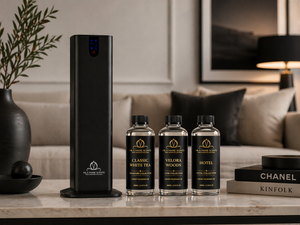
We’ve seen guests love the Hotel Collection by Mila Marie Scents because it uses the same water‑less diffusion tech that big hotels rely on.
Bottom line:Understanding fragrance families helps you match the right scent to your hotel’s vibe and ensures the aroma lasts without overpowering.
Case Studies: Iconic Hotel Scents
Let’s look at a few hotels that nailed their scent strategy.
The Ritz‑Carlton leans on white tea with soft vanilla and musk , a quiet, clean signature rather than a statement perfume, diffused evenly enough that most guests never work out where it is coming from.
W Hotels rolled out a citrus‑forward fragrance called “Bliss.” It mixes Italian figs, jasmine, and sandalwood, creating an energetic vibe that matches the brand’s modern aesthetic. The scent is part of a larger brand experience that includes scented amenities and in‑room candles.
Marriott’s Westin brand built much of its identity around a signature “White Tea” scent. The blend of white tea, cedar and vanilla runs through lobbies and spa treatment rooms alike, reinforcing a wellness narrative.
Each of these examples follows a common pattern: a clear brand story, a signature blend, consistent diffusion, and complementary touchpoints like soaps or candles.
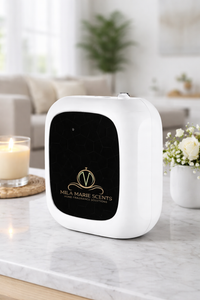
Our own Hotel oil by Mila Marie Scents follows the same logic , fresh linen over cedar and sandalwood, the kind of clean, understated note a lobby is built on. Run it through the ECHO, a waterless cold‑air diffuser rated to 1,500 sq ft, and the oil is never heated.
Other luxury groups commission a bespoke scent from a perfumer outright , rose, citrus and exotic woods over a warm base is a common brief , and then treat the formula as brand property, the same way they would a logo.
These case studies illustrate that a signature scent works best when it’s woven into every guest touchpoint, from the lobby air to the bathroom soap.

Bottom line:Iconic hotel scents succeed by aligning fragrance with brand identity, using reliable diffusion, and extending the aroma into amenities.
Impact of Scent on Guest Experience
Smell is a shortcut to memory. A well‑chosen scent can lift mood, reduce stress, and even increase perceived value. Scent marketing works on emotion rather than on argument, which is why a lobby that smells right makes a guest feel welcomed before anybody has spoken to them.
Here’s how scent moves the needle:
- Emotion Boost:A calming lavender or white tea note gives a tired traveller something restful to walk into.
- Memory Anchor:Guests who associate a pleasant scent with a stay are more likely to recall the brand when planning their next trip.
- Perceived Luxury:A subtle, high‑quality fragrance makes a space feel more upscale without visual upgrades.
Hotels also treat it as commercial spend rather than decoration. A space that feels more expensive than it is can be priced accordingly, which is why scenting tends to sit in the same budget line as lighting and linens.
For homeowners, replicating that effect means choosing a diffuser that covers your space evenly and a fragrance that matches the room’s purpose , energizing citrus in a home office, soothing vanilla in a bedroom.
Our INFINITY HVAC Cold Air Diffuser offers that even coverage. It connects to the ductwork you already have, runs under 35 dB, and is recommended for homes from 1,500 to 6,000+ sq ft with headroom up to 16,000 sq ft , $399 with three premium oils included.
Bottom line:The right fragrance turns a functional space into a memorable experience that guests want to repeat.
FAQ
What makes a hotel scent different from a regular room fragrance?
Hotel scents are formulated for large, shared spaces and are diffused through cold‑air systems that keep the oil pure. They also align with the brand story, so every touchpoint , lobby, spa, amenity , carries the same olfactory signature, creating a cohesive guest journey.
How long does a hotel‑style scent last in a home diffuser?
A 200ml bottle of premium oil typically runs for weeks rather than days, and the HALO Tower’s 800ml reservoir holds four times that. How long it actually lasts depends on your intensity setting and how many hours a day you run the diffuser.
Can I customize a scent for my boutique hotel?
Yes. Many fragrance houses work with hoteliers to create bespoke blends that reflect local ingredients or the hotel’s design language. The process involves briefing, concept creation, lab testing, and on‑site trials before full rollout.
How do cold‑air diffusers compare with candles for everyday use?
A Mila Marie Scents cold‑air diffuser has no flame, no wick and no hot surface, and nothing is burned, so there is no smoke, no soot and no residue on walls or furniture. If anyone in your home has a fragrance sensitivity, start at the lowest intensity and take medical advice from your doctor rather than from us.
Do hotels change their scent seasonally?
Some do. A summer scent might highlight fresh marine notes, while a winter fragrance could lean on warm spices and woods. Seasonal tweaks keep the experience fresh and can align with marketing campaigns or holiday themes.
How can I measure if a scent is working for my hotel?
Track guest feedback through surveys, monitor online reviews for mentions of the aroma, and watch key metrics like repeat bookings and average daily rate. A rise in these numbers after a scent launch often indicates success.
What is the difference between water‑less and traditional diffusers?
Water‑less diffusers push a fine mist of pure oil into the air, preserving the fragrance’s true character. Traditional humidifiers heat the oil, which can alter the scent profile and reduce longevity.
Can I use hotel‑style scents in a small office?
Absolutely. Choose a diffuser sized for the square footage , a 1,500 sq ft unit works well for open‑plan offices , and pick a neutral, uplifting fragrance like white tea or citrus to boost focus without overwhelming the space.
Conclusion
We’ve walked through how hotels pick, blend, and spread their signature scents, the common ingredients that make those aromas work, real‑world case studies, and why it all matters to the guest experience. The pattern is consistent: a hotel scent is a branding decision, not an air freshener.
If you’re curious about bringing that five‑star feel home, start by matching a diffuser to your square footage, then pick a scent from our hotel‑inspired fragrance collection.
Ready to upgrade your space? Dive deeper into scent strategy with our best‑selling hotel fragrance line and discover how a simple aroma can transform any room.
Bottom line:The scent a hotel uses isn’t just a smell , it’s an emotional cue that shapes memories, drives loyalty, and improves the entire guest journey.
Hotel-inspired fragrances & luxury diffusers
Which Diffuser Is Right for You?
| Feature | HALO Tower | ECHO Mini |
|---|---|---|
| Price | $229.00 | $89.00 |
| Coverage | Up to 4,000 sq ft | Up to 700 sq ft |
| Type | Floor Standing | Desktop / Wireless |
| App Control | Yes (Bluetooth) | Yes (Bluetooth) |
| Free Oils Included | Yes (3 Oils) | Sold separately |
| Warranty | 1-Year | 1-Year |
| Guarantee | 30-Day | 30-Day |
Swipe to compare →
Get 10% Off Your First Order
Join the Mila Marie family for early access to new fragrances, exclusive offers, and expert scenting tips.