Scent Marketing for Hotels: An Explainer Guide
Smell shapes mood. It can calm a guest before they see the lobby. It can cue memories that last long after checkout. In hotels, scent is more than aroma; it’s an experience layer that supports comfort, branding, and revenue. In this guide, we’ll cover what scent marketing for hotels is, how it affects guest perceptions, how to design scent zones across a property, how to measure ROI with real‑world signals, and what comes next in personalization and ethics. We’ll move from definition to design to data, with practical steps you can take this quarter. We’ll also point to Mila Marie Scents’ heat‑free diffusion options as a practical example of hotel‑grade scent systems you can deploy in homes, small offices, or boutique hotels. Read on to build a scent strategy that feels like a concierge’s touch at every touchpoint.
Table of contents(no links here): What scent marketing is; how scents affect emotions; scent zoning; ROI and case studies; personalization and ethics; FAQs; conclusion.
For a quick primer,definition of scent marketingdescribes the deliberate use of fragrance to influence behavior, shape perception, and reinforce brand identity. It’s not about masking odors; it’s about creating memory‑ready atmospheres that help guests connect with a property’s values. This approach relies on the science of scent to steer mood, impression, and duration of stay. definition of scent marketing anchors the concept in industry practice. And because the olfactory system links directly to emotion and memory, fragrance can be a non‑visual cue for brand fidelity. Wikipedia overview of smell explains the brain mechanics behind this, clarifying why scent can stay with guests after they’ve moved on from your lobby.
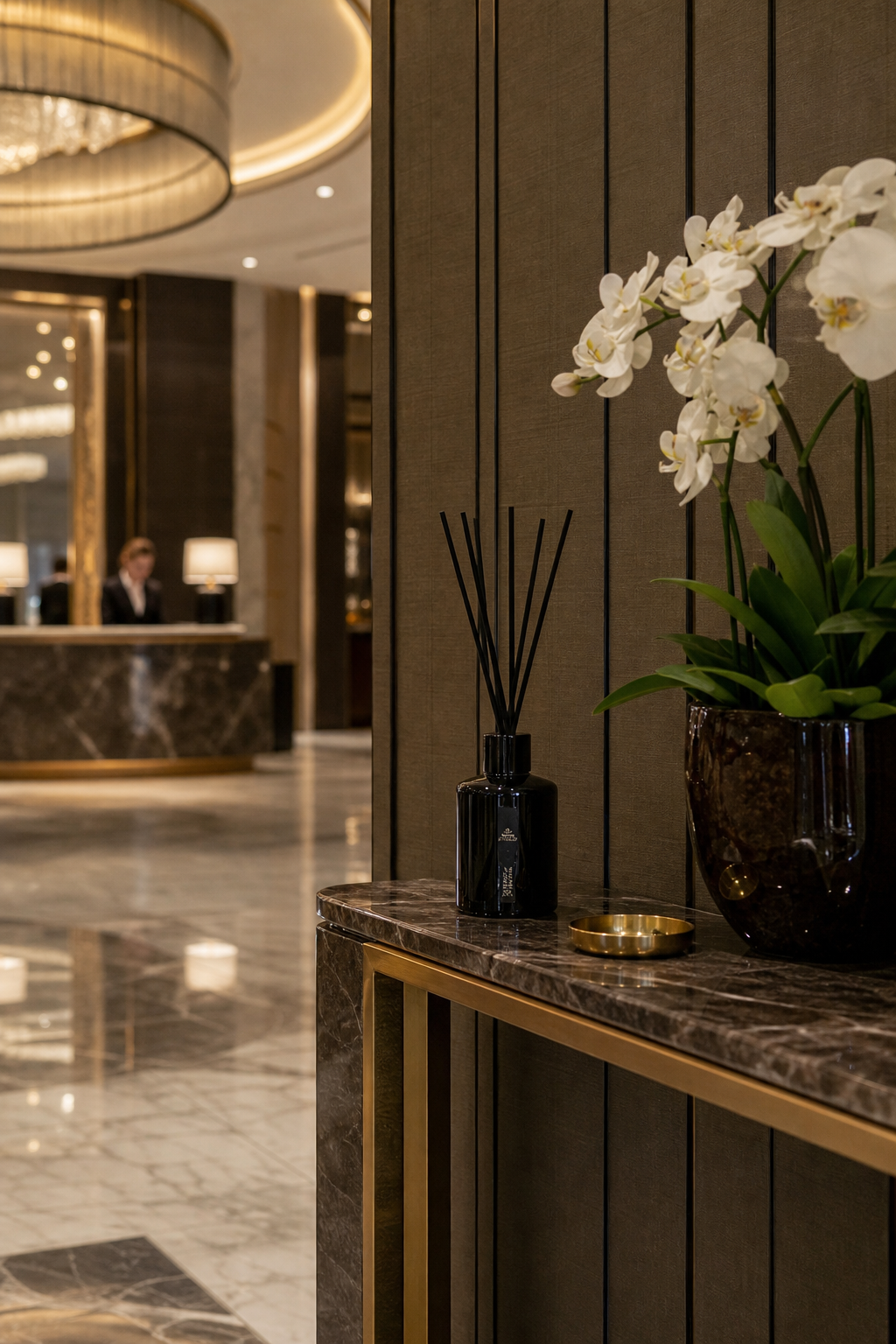
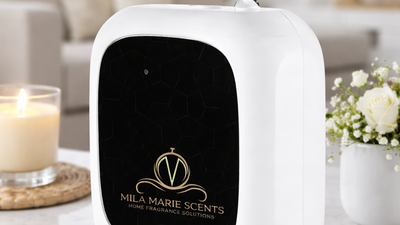
In practice, hotels pair a signature scent from our Hotel Collection with an Infinity HVAC cold‑air diffuser or a standalone unit to achieve even dispersion. The goal is not a single strong note, but a quiet, memorable ambience that people associate with a property’s style, calm for wellness, bright for a top‑tier welcome, or warm for a romance‑driven experience. These cues weave through check‑in, corridors, and guest rooms to reinforce a consistent brand story without shouting a brand name.
Think of scent as a silent concierge who reminds guests of their best experiences. If a lobby scent feels like clean linen and sea breeze, it can set expectations for a restful stay. If a spa scent leans into lavender and chamomile, it cues decompression before a treatment. And in guest rooms, softer notes can support sleep and relaxation. This is why scent zoning matters: the same fragrance profile should not overpower the lobby when it is meant to greet, relax in the spa, and soothe in the rooms. And because safety and allergy considerations exist, a thoughtful program uses residues‑free, low‑overhead diffusion with clear safety disclosures.
Hotel-inspired fragrances & luxury diffusers
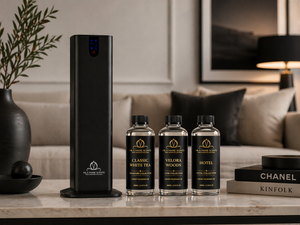
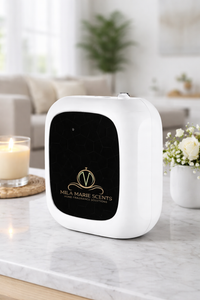
Which Diffuser Is Right for You?
| Feature | HALO Tower | ECHO Mini |
|---|---|---|
| Price | $229.00 | $89.00 |
| Coverage | Up to 4,000 sq ft | Up to 700 sq ft |
| Type | Floor Standing | Desktop / Wireless |
| App Control | Yes (Bluetooth) | Yes (Bluetooth) |
| Free Oils Included | Yes (3 Oils) | Sold separately |
| Warranty | 1-Year | 1-Year |
| Guarantee | 30-Day | 30-Day |
Swipe to compare →
Get 15% Off Your First Order
Join the Mila Marie family for early access to new fragrances, exclusive offers, and expert scenting tips.