How to Create a Boutique Signature Scent
A boutique signature scent should feel like part of the brand, not a perfume cloud added at the door. The strongest process starts with a clear mood, tests the fragrance in the real shop, then sets a controlled delivery plan. Mila Marie Scents makes that process easier with cold-air diffusion, curated fragrance oils, and options such as the ECHO Mini.
Here are the steps to build a scent customers can recognize without feeling overwhelmed.
Step 1: Define the Boutique’s Brand Scent Brief
To create a signature scent for a boutique retail brand, begin with a one-page brief that links the fragrance to your store’s mood, customer, and layout.
Write down the feeling you want shoppers to have within the first minute. You might choose calm, polished, warm, playful, or fresh. Pick one main feeling. Add one supporting feeling only if it helps sharpen the choice.
Next, describe the shop in plain words. Note the product category, price position, colors, materials, lighting, and traffic pattern. A boutique with pale wood and linen may need a clean tea or soft musk profile. A shop filled with dark timber and leather may suit cedar, amber, or sandalwood.
Think about the customer’s path. Where do people pause? Where do they need more time? Where does the checkout line form? A bright profile can welcome people near the entrance. A softer base may work better near a consultation area.
Set limits before you smell samples. Write down notes you want to avoid, such as heavy sweetness, sharp spice, powder, or strong florals. Also state how the scent should behave: noticeable at entry, quiet during browsing, and absent from the taste or feel of products.
Fragrance structure also matters. Top notes make the first impression. Heart notes shape the main character. Base notes give the blend depth after the first few minutes. A professional perfumer can translate your brief into a balanced formula, while your team can judge if it still sounds like your brand.
Research on scent branding often links a clear identity brief with a more consistent customer experience. The sense of smell can connect with memory and emotion. Treat that response with care. A scent should support the shop, not demand attention.
At Mila Marie Scents, we recommend writing the brief before choosing an oil. It gives you a fair way to compare samples instead of picking the one that smells best for five seconds.
Step 2: Build a Distinctive Fragrance Profile
A distinctive profile uses a small set of related notes that customers can recognize, while the scent still feels comfortable during a full visit.
Start with scent families. Fresh citrus can feel clean and active. Green tea and herbal notes can feel calm. Woods add warmth and structure. Amber or soft musk can make a space feel more polished. Choose a family that fits the store’s visual language before you choose individual oils.
Then build a note map. Keep the first draft focused. For example, a boutique might test bergamot at the opening, green tea in the middle, and cedar in the dry-down. Another shop might test citrus, white florals, and soft musk. The point is contrast without clutter.
Don’t chase uniqueness by adding every unusual note. A scent becomes hard to remember when too many ideas compete. Ask three questions about each sample:
- Can a customer describe its mood in one or two words?
- Does it match the store’s colors, products, and materials?
- Would staff still enjoy it after several hours?
Mila Marie Scents gives you room to compare profiles through its luxury fragrance oil sample pack. Use the same diffuser setting for each test. That keeps the comparison fair.
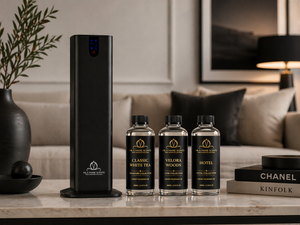
Useful names to place on your test sheet include White Tea, Velora Woods, Escape, and Hotel. If your brand needs a brighter direction, consider a citrus-led profile. If it needs a deeper feel, compare a wood-led profile against a soft amber blend. Names can guide the discussion, but the scent in your space must make the final call.
Document the profile in a simple format. Record the first impression after five minutes. Record the scent after one hour. Note how it feels near fabric, wood, glass, and the checkout area. A scent that works on a blotter may feel too sweet once it meets paint, dust, cleaning products, or warm electronics.

By now you should have two or three scent directions, each tied to a clear mood and note map. Keep the set small. More samples create noise rather than insight.
Step 3: Test Samples Before Choosing the Final Scent
Choose the final scent only after testing samples in the boutique during normal business conditions.
Prepare a short test plan. Give each sample a code, such as A, B, or C, so staff can judge the scent without being swayed by a name. Use the same diffuser, oil amount, placement, and run time for every test. Change one variable at a time.
Test at three points in the store. Check the entrance after the door has opened several times. Check the main browsing zone after the scent has had time to spread. Check the checkout area, where people may stand close to the diffuser or a return-air vent.
Ask staff to score each sample on a five-point scale for fit, comfort, strength, and recall. Keep the questions short. “Does this smell like us?” gives better feedback than “Do you like it?” A pleasant scent can still be wrong for the brand.
Invite a small group of trusted customers to give feedback if your store can do so without disrupting service. Don’t tell them which scent is supposed to be premium. Ask what words come to mind, where they noticed it, and if it changed how the space felt.
Watch for problems that a quick test hides. Staff may stop noticing a scent after repeated exposure. Customers with sensitivities may react before the team does. A scent may also collect near a doorway or feel stronger in a tight fitting room.
Run each candidate long enough to see its dry-down. The opening note is only one part of the experience. If the base becomes sweet, smoky, or sharp after an hour, record that. The final choice should work across the full visit, not just the first breath.
Use this planning resource when you plan a launch test. Test the oil in the actual space before committing to a larger set.
Set a decision rule before reviewing feedback. For example, reject any sample that staff find tiring, even if customers like it. Reject any scent that conflicts with merchandise. Pick the profile with the best fit and comfort scores, not the loudest one.
Step 4: Match the Scent Delivery System to the Boutique
The right diffuser depends on your square footage, HVAC access, airflow, and need for zone control.
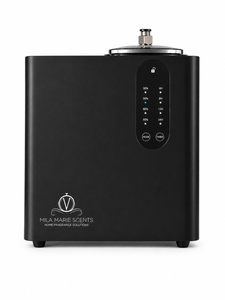
Small boutiques often need a standalone cold-air diffuser. The ECHO Mini from Mila Marie Scents is designed for spaces up to 700 square feet, uses waterless cold-air diffusion, and has a stated three D-battery requirement. Those limits are useful when planning. They tell you where the unit fits and when a larger system may be wiser.
For a larger shop, compare the PULSE, INFINITY, Elite Mini Pro, and HALO Tower within Mila Marie Scents’ product range. The product name alone does not decide the fit. Measure the store, inspect the airflow, and confirm how the unit will be powered and maintained.
If the boutique has suitable ductwork, an HVAC system can spread dry fragrance across a wider area. Mila Marie Scents lists PULSE for spaces up to 1,800 square feet and INFINITY among its HVAC diffuser options, while HALO covers up to 4,000 square feet as a floor unit rather than an HVAC install. Confirm the stated coverage against your floor plan and air system before ordering.
Cold-air diffusion breaks fragrance oil into a dry mist without heat or added water. That helps avoid the damp output linked with water-based systems. It also fits retail spaces where residue near fabric, paper, electronics, or display pieces would be a concern.
Placement matters as much as hardware. Keep a standalone unit away from open doors and HVAC return vents. A draft can push scent outside, while a return vent can pull it away before it reaches the browsing zone. Do not hide the unit behind dense shelving. Air needs room to carry the fragrance.
Good indoor air practice still comes first. Indoor air quality affects comfort and health inside a building. Fragrance should sit after source control and ventilation, not replace them.
By now you should have a delivery choice, a placement point, and a clear reason for the system size. If you cannot explain those three decisions, pause before purchase.
Step 5: Set the Right Intensity and Validate the Customer Experience
Set the lowest intensity that lets a customer notice the scent near entry, then allow it to fade into the background during browsing.
Start the first trial below your maximum setting. Walk in from outside after a short break. Ask a staff member to do the same. The scent should feel present without becoming the first thing either person discusses.
Use a simple test grid. Mark each area as too weak, balanced, or too strong. Repeat the check at opening, midday, and late afternoon. Doors, weather, customer volume, and cleaning products can change the result.
Ask staff to report headaches, irritation, or discomfort through a simple log. Treat complaints as useful operating data. A customer should never need to ask why the store smells so strong.

Track business measures only after the scent has run long enough to become part of the normal experience. You can compare dwell time, conversion rate, average transaction value, and repeat visits against a prior period. Keep other major changes in mind, such as a sale, new display, or holiday rush.
By now you should have a setting that feels present at the door, calm in the main zone, and comfortable for the team. Record it before the next step.
Step 6: Document, Launch, and Maintain the Signature Scent
A signature scent stays consistent when you document the formula, equipment setting, placement, and refill routine.
Create a scent control sheet with these fields:
- Final fragrance name and oil combination.
- Diffuser model and store location.
- Coverage area and HVAC notes.
- Output setting and operating schedule.
- Refill date, staff initials, and cleaning date.
- Customer or staff feedback that needs review.
If you plan to mix and match fragrance oils, write down the exact blend and ratio used in the approved test. Don’t rely on memory. A small change can alter the opening note or make the base feel much heavier.
Train every shift lead on one rule: adjust only within the approved range. Staff should not add a new oil or move the diffuser because one busy hour feels different. They should log the issue and send it to the person who owns the scent program.
Launch with a quiet announcement rather than a strong sales pitch. You might mention that the store now has a signature atmosphere and invite customers to share their first impression. The scent should support the visit, not become a product demonstration.
Review the program each month at first. Check the diffuser, inspect nearby surfaces, confirm the oil supply, and read the feedback log. Later, you can move to a quarterly review if the store remains stable.
Seasonal changes can work, but keep one recognizable backbone. For example, retain a clean wood note while adding a softer seasonal accent. A full change may confuse repeat customers who associate the original profile with your shop.
When you want help matching the equipment and oil plan to your floor area, you can contact Mila Marie Scents. Bring your floor plan, store hours, HVAC notes, and sample feedback.
The final milestone is simple: another manager should be able to run the scent program without asking you what to do. That is how a polished brand experience survives staff changes and busy trading days.
Frequently Asked Questions
What is a heat free cold air diffuser?
A heat free cold air diffuser turns fragrance oil into a dry mist without heating the oil or adding water. For a boutique, that can help reduce moisture and residue concerns near displays. Mila Marie Scents uses this type of approach in products such as the ECHO Mini. Choose the system after checking room size, airflow, and placement.
What should a cold air diffuser setup include?
A cold air diffuser setup should include the diffuser, compatible fragrance oil, power method, and clear operating instructions. For retail use, also confirm the coverage guidance and refill process. Mila Marie Scents offers named systems and fragrance collections, so match the diffuser to your floor area rather than choosing by appearance alone.
How do I choose a luxury aroma diffuser for a boutique?
Choose a luxury aroma diffuser by checking coverage, control, placement, maintenance, and scent compatibility. A small shop may suit the ECHO Mini, while a larger space may need PULSE or INFINITY. The best match is the unit that gives even scent at a low setting and fits your airflow plan.
Can I mix and match fragrance oils?
You can mix and match fragrance oils when the oils are compatible with the diffuser and the blend has been tested in the store. Start with two profiles, record the ratio, and assess the result after several hours. White Tea and Velora Woods may lead a test plan, but your approved formula should come from real in-store testing.
How can I try before I buy home fragrance?
You can try before you buy home fragrance by using a sample pack and testing each option in the room where it will run. Compare the opening scent after a few minutes with the dry-down later in the day. This method is more useful than judging oil from a small paper strip alone.
Is there a luxury fragrance oil sample pack for retail testing?
Yes, Mila Marie Scents has a luxury fragrance oil sample pack for comparing multiple profiles before a larger purchase. Use it to test scent fit, intensity, and staff comfort in the boutique. Keep the diffuser setting consistent, then choose the profile that supports the store for the full visit.
Conclusion
Start with a tight scent brief, test two or three profiles in the actual boutique, and choose a cold-air diffuser sized for the space. For a smaller retail footprint, begin by reviewing the ECHO Mini and a sample pack from Mila Marie Scents. Record the winning oil, setting, and placement before launch so the experience stays consistent.
Best-selling diffusers & fragrances for your home
Which Diffuser Is Right for You?
| Feature | INFINITY | HALO Tower |
|---|---|---|
| Price | $399.00 | $229.00 |
| Coverage | Up to 16,000 sq ft | Up to 4,000 sq ft |
| Type | HVAC / Whole-Home | Floor Standing |
| App Control | Yes (Bluetooth) | Yes (Bluetooth) |
| Free Oils Included | Yes (3 Oils) | Yes (3 Oils) |
| Warranty | 1-Year | 1-Year |
| Guarantee | 30-Day | 30-Day |
Swipe to compare →
Get 10% Off Your First Order
Join the Mila Marie family for early access to new fragrances, exclusive offers, and expert scenting tips.