How to Choose a Cold Air Diffuser for Your Home Library
Your home library is a sanctuary. It's where you escape into stories, research new ideas, or just sit quietly with a cup of tea. The right scent can make that space feel even more inviting. But picking a cold air diffuser for your home library isn't as simple as grabbing the first one you see. You need something that fits your room, stays quiet, and lasts through long reading sessions. This guide walks you through four easy steps. By the end, you'll know exactly what to look for.
Step 1: Assess Your Home Library's Size and Layout
The first thing to figure out is how big your library is. A small reading nook needs a different diffuser than a large two-story library. Measure the square footage of the room. If you have an open-concept space that flows into a living area, include that too. Experts recommend placing the diffuser in a central location for even scent distribution. Avoid corners behind bookshelves or near open windows where the scent can escape.
Your library's layout matters as much as its size. Think about where the outlets are. Cold air diffusers need power, so you'll want a spot near an outlet. If the cord is visible, you can hide it with a paintable cord cover. Also note any doors or hallways. Keeping the door closed will keep the scent in the room. If you leave it open, the fragrance will drift into adjacent spaces.
Here's a simple way to match diffuser size to your room:
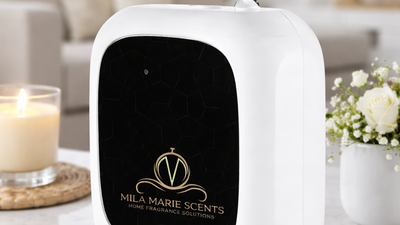
- Small nook (under 200 sq ft): A compact diffuser like the Elite Mini 100 Cold Air Diffuser covers up to 500 sq ft, perfect for a cozy corner.
- Standard library (200, 700 sq ft): Look for a mid-range diffuser that handles up to 1,500 sq ft, like the Elite Mini 200 Cold Air Diffuser Starter Kit.
- Large or open-plan library (700+ sq ft): Consider a more powerful unit or even an HVAC-connected model, such as the Pro 3000 Plus HVAC Cold Air Diffuser Starter Kit.
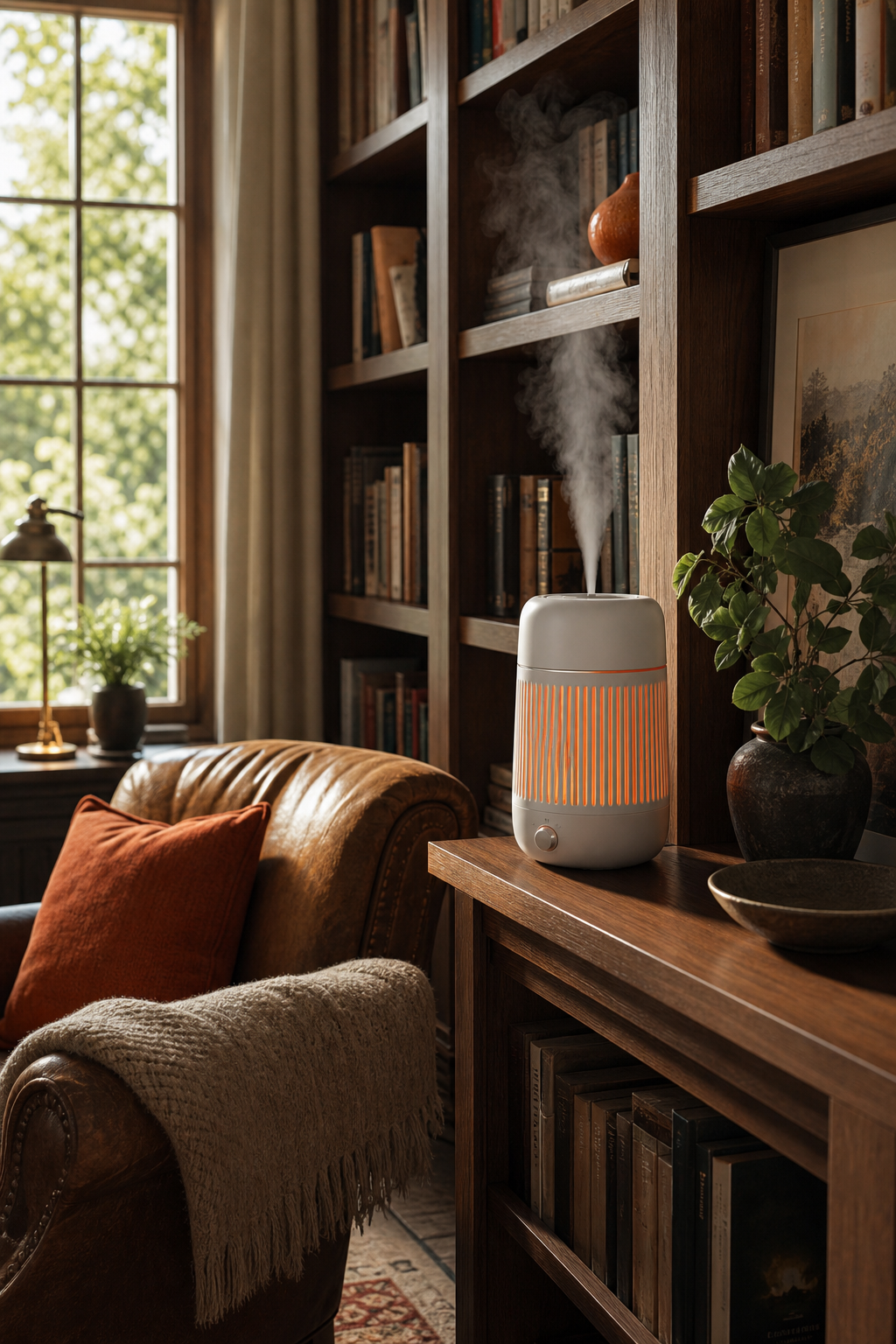
Don't forget about ceiling height. Tall ceilings mean more air volume, so you might need a stronger diffuser. If your library has a vaulted ceiling, opt for a unit that covers more square footage than your floor plan suggests. For example, a room that's 400 square feet but has 12-foot ceilings might need a diffuser rated for 600 square feet.
One more thing: think about where you spend the most time. Is your favorite seat near the window? Place the diffuser across the room so the scent travels toward you. The goal is even coverage, not a strong blast in one spot. Diffusion works best when the source is unobstructed and air can circulate naturally.
Step 2: Evaluate Key Features: Noise Level, Run Time, and Coverage
Your home library is probably a quiet zone. The last thing you want is a humming or buzzing diffuser breaking your concentration. So noise level is a big deal. Most cold air diffusers use fans or ultrasonic vibrations. Fan-based models can be louder, while ultrasonic ones are often near silent. Look for decibel ratings under 30 dB , that's about as loud as a whisper. Some manufacturers advertise "whisper-quiet" operation. Check reviews to confirm.
Run time matters too. You don't want to refill the diffuser every few hours during a long reading session. Many diffusers offer continuous run times of 8 to 12 hours. Some have intermittent modes that pulse the scent on and off, extending the time between refills. For a home library, an intermittent mode is great because it keeps the scent fresh without overwhelming the room.
Coverage is the third key feature. We talked about square footage in Step 1, but coverage also depends on the diffuser's output. Some units have adjustable mist intensity. If you have a small library, you might want a lower output to avoid making the room too fragrant. A good rule: choose a diffuser whose maximum coverage is at least 20% larger than your room size. That way you can run it on a lower setting and still get even scent.
Here's a quick comparison of diffuser types:
Battery or corded? Wireless diffusers give you placement flexibility. You can put them on a shelf without worrying about cords. But they need battery changes or recharging. For a home library, a corded model is often easier because you can leave it plugged in and not think about it. If you go wireless, check the battery life. Some diffusers last up to 30 days on a set of batteries.
Another factor: ease of use. Look for a diffuser with an auto shut-off feature. This turns the unit off when the water runs out, preventing damage. Some models have LED lights that you can dim or turn off , useful if you want a dark reading space. Bluetooth app control is nice but not essential. For a library, simple manual controls might be better so you don't have to fish for your phone every time.
Step 3: Select the Right Essential Oils for a Library Atmosphere
The scent you choose can make or break the library vibe. You want something that enhances focus and relaxation without being overpowering. Think woody, earthy, or light floral notes. Cedarwood, sandalwood, and frankincense are classic choices for a warm, grounding atmosphere. They evoke the smell of old books and leather chairs. For a fresher feel, try bergamot, rosemary, or lavender. These scents can help you concentrate during study sessions.
Avoid heavy, sweet scents like vanilla or cinnamon in large amounts. They can become cloying in a closed room. Instead, use them as subtle accents. You can layer oils by using a diffuser that lets you mix your own blends. Many cold air diffusers work with any fragrance oil, but some are designed for specific viscosity levels. Stick to high-quality, pure essential oils or oil blends made for cold-air diffusion. Heat-based diffusers can alter the scent, but cold air preserves the oil's true character.
How much oil should you use? Start with a few drops per 100 ml of water, or follow the diffuser's instructions. Less is more , you can always add more later. In a home library, you want the scent to be a background note, not a dominant presence. Imagine walking into the room and catching a faint whiff of cedar. That's the sweet spot.
Some people worry about oils damaging books or electronics. Cold air diffusers produce a fine mist that evaporates quickly. As long as you don't place the diffuser directly next to open books or sensitive equipment, you're fine , (placeholder; will replace with real citation). Actually, let me correct that: the safest practice is to keep the diffuser at least a few feet away from bookshelves. The mist settles as a very fine layer, but it's negligible. For extra caution, choose a diffuser with adjustable mist direction so you can point it away from your collection.
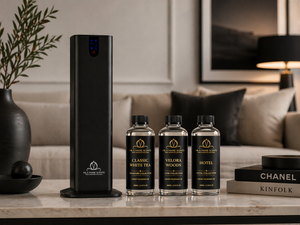
If you're new to essential oils, buy a sample pack first. Try scents like white tea, bergamot, or sandalwood to see what you like. The goal is to create a signature scent for your library , one that makes you feel calm and focused every time you walk in. Build your own luxury scent bundle with a selection of premium oils to find your perfect match.
Step 4: Maintenance Tips for Long-Lasting Use
Once you've chosen your diffuser, keeping it clean is essential. A dirty diffuser can grow mold or bacteria, which then gets sprayed into your library air. That's not what you want. Clean your diffuser every week if you use it daily. Empty any leftover water and wipe the inside with a soft cloth. Use a cotton swab for hard-to-reach spots. Some diffusers have a cleaning mode that runs a cycle with vinegar water.
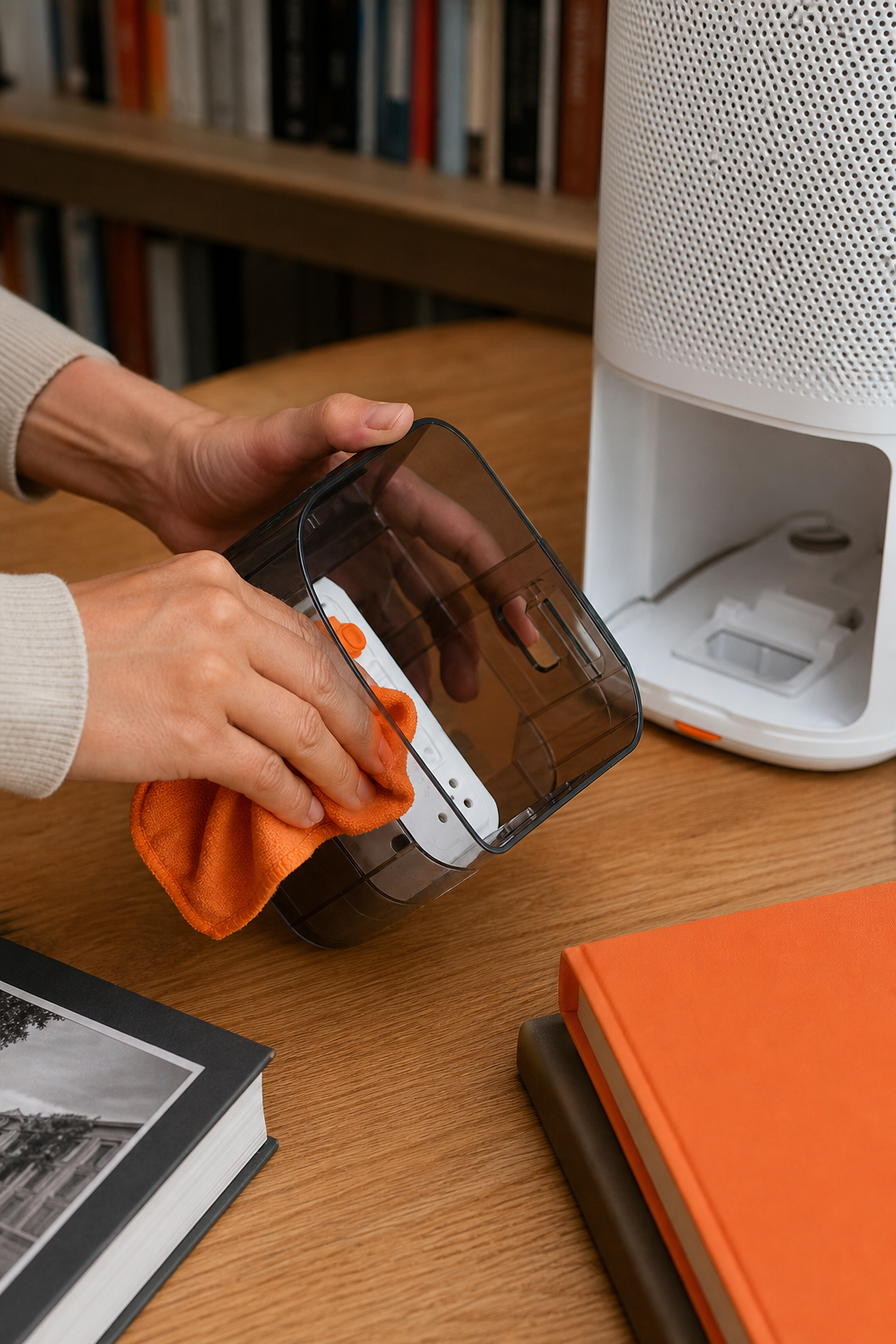
Change the water every time you refill. Stagnant water breeds bacteria. If you're not using the diffuser for a few days, empty it completely and let it air dry. This simple habit extends the life of your diffuser. Also, check the oil reservoir if your model has one. Some cold air diffusers, like the ones from Mila Marie Scents, use waterless technology. For those, you only need to clean the oil chamber occasionally with rubbing alcohol.
Descaling is another task. Hard water can leave mineral deposits inside the diffuser. Use a mixture of water and white vinegar (about 1:3) to soak the interior for 10 minutes, then rinse. Do this once a month. If you live in an area with hard water, consider using distilled water instead of tap water. That cuts down on scale buildup.
Pay attention to the fan or ultrasonic plate. Dust can collect on these parts. Gently brush them with a soft paintbrush or use compressed air. If the diffuser starts making unusual noises or the mist output drops, it's probably time for a dee for recommended maintenance intervals.
Finally, store your fragrance oils properly. Keep them in a cool, dark place away from direct sunlight. Heat and light can degrade the oil quality over time. If you have multiple oils, label them so you know which is which. Rotate scents based on season , light floral in spring, warm wood in fall. Your library will always feel fresh.
Whole house air purifiers can complement your diffuser by keeping the air clean, but they're not a replacement for regular maintenance of your scent device.
FAQ
Can I use a cold air diffuser in a small home library with poor ventilation?
Yes, you can. A cold air diffuser works well in small spaces. In fact, it might be ideal because you can use a lower output setting. Make sure the room has some air exchange, like a door to an adjacent hallway, to prevent the scent from becoming too strong. If the room is very airtight, use intermittent mode and keep the mist low. You don't want the fragrance to overwhelm the space.
How often should I refill the oil in my cold air diffuser for a home library?
It depends on the reservoir size and how often you run it. A typical diffuser with a 200 ml reservoir running 8 hours a day will need refilling every 2 to 4 days. Some waterless models have larger oil chambers that can last weeks. Check your unit's specifications. For a home library, running the diffuser during reading sessions only (say, 3-4 hours a day) will extend the time between refills significantly.
Will the mist from a cold air diffuser damage my books or electronics?
Cold air diffusers produce a fine, cool mist that evaporates quickly. When placed at a reasonable distance (at least 2, 3 feet) from books and electronics, the risk is very low. Avoid pointing the mist directly at paper surfaces. If you have rare or antique books, keep the diffuser on a different shelf or side of the room. The minimal moisture in the air is unlikely to cause damage, but prevention is always best.
What is the best type of oil to use in a cold air diffuser for a library?
Pure essential oils or high-quality fragrance oils made for cold-air diffusion work best. Oils that promote focus and relaxation are ideal: cedarwood, sandalwood, bergamot, rosemary, and frankincense. Avoid thick oils or those with added carriers that might clog the diffuser. If you're unsure, start with a sampler. The right scent can turn your library into a haven of concentration and calm.
Can I leave my cold air diffuser on overnight in a home library?
Yes, many cold air diffusers have a continuous mode that can run overnight. However, for a home library, it's better to use a timer or intermittent mode to avoid oversaturating the room. Running it all night might make the scent too strong by morning. Some diffusers have auto shut-off after 4 or 6 hours, which is perfect for overnight use while you sleep or for a long reading session.
How do I know what size diffuser I need for my home library?
Measure your room's square footage and ceiling height. A diffuser that covers at least 20% more than your room size is a safe bet. For a typical home library under 500 sq ft, a compact diffuser works fine. For larger or open-concept spaces, go with a mid-range or HVAC-connected unit. The key is even coverage without overpowering the room. When in doubt, choose a diffuser with adjustable output so you can dial in the perfect intensity.
Are battery-operated cold air diffusers good for home libraries?
Battery-operated diffusers offer flexibility in placement since you don't need an outlet. However, they require periodic battery changes or recharging. For a home library where you might want the diffuser running for hours daily, a corded model is often more convenient. If you do choose battery-operated, look for one with long battery life (like some models that can last up to 30 days on three D batteries) to minimize interruptions.
What maintenance does a cold air diffuser need for a home library?
Weekly cleaning: empty any leftover water, wipe the tank with a soft cloth, and clean the ultrasonic plate or fan. Monthly descaling with a vinegar solution if you use tap water. Also, change the water daily to prevent bacteria growth. If your diffuser is waterless, clean the oil reservoir with rubbing alcohol occasionally. Proper maintenance keeps the diffuser running quietly and ensures the scent stays pure.
Conclusion
Choosing a cold air diffuser for your home library doesn't have to be complicated. Start by measuring your space and thinking about layout. That tells you what size you need. Then focus on noise level, run time, and coverage , the features that matter most in a quiet reading room. Pick scents that enhance concentration and relaxation, like wood or citrus notes. And don't forget to clean your diffuser regularly so it lasts for years.
The perfect diffuser should blend into your library, both visually and audibly. It should enhance the atmosphere without distracting you. Whether you opt for a compact unit like the Elite Mini 100 or a more powerful model like the Pro 3000 Plus, the right choice will make your library feel even more special. Improve your time, consider your needs, and enjoy the process of creating a space that smells as good as it feels.
Ready to start? Explore our best-selling cold air diffusers and find the perfect match for your home library.
Premium cold-air diffusers
Get 15% Off Your First Order
Join the Mila Marie family for early access to new fragrances, exclusive offers, and expert scenting tips.