Commercial Aroma Diffuser Guide: Types & Key Features
Finding the right scent system can feel like a puzzle. You want a scent that lasts, spreads evenly, and doesn’t leave a mess. In this guide we walk through everything you need to know about commercial aroma diffusers , the tech, the features, the sizing math, the install steps, and the upkeep routine. By the end you’ll know how to pick a unit that fits your space, budget, and brand vibe.
Table of Contents
- Types of Commercial Aroma Diffusers
- Key Features to Evaluate for Your Business
- Sizing and Coverage Considerations
- Installation and Operation Tips
- Maintenance Best Practices
- Frequently Asked Questions
- Conclusion
Types of Commercial Aroma Diffusers
There are four main diffusion methods on the market today. Each one moves fragrance oil into the air in a different way, and each has its own strengths.
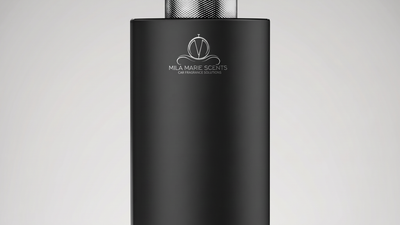
❖Cold‑air diffuserspush dry, filtered air through a tiny nozzle that turns liquid fragrance into an ultra‑fine nano‑mist. The result is a dry vapor that stays in the room longer and leaves no residue. This is the tech that powers many hotel lobbies and the Mila Marie Scents Cold‑Air Diffuser line.
❖Ultrasonic diffusersuse high‑frequency vibrations to break oil‑water mixtures into a cool mist. They also humidify the space, which can be nice in dry climates but adds water to the air.
❖Nebulizing diffusersforce oil through a jet of air, creating a powerful spray of pure oil droplets. They give a strong scent quickly but can be noisy and use more oil.
❖Evaporative diffuserspull air through a pad soaked with oil. The airflow evaporates the oil, spreading a gentle aroma. This method is simple but can favor the lighter notes of a blend.
"Cold‑air diffusion is the silent standard in commercial scenting , it delivers consistent fragrance without water or heat."
Why does cold‑air matter? It adds no water to the air, leaves no residue on stock or surfaces, and never warms the oil, so the fragrance reaches the room the way the perfumer built it. That combination is why commercial spaces tend to settle on it.
Key Takeaway: Cold‑air diffusers give steady, residue‑free fragrance with no water and no heat.
When you compare options, think about noise level, oil consumption, and whether you need humidification. For most retail stores, offices, and boutique hotels, a cold‑air unit hits the sweet spot.
Bottom line:Choose the diffusion method that matches your space’s size, noise tolerance, and maintenance preferences.

Key Features to Evaluate for Your Business
Now that you know the tech, let’s look at the features that turn a good diffuser into the right one for you.
✔Coverage area, Measured in square feet. A unit that covers 1,500 sq ft can scent a large open‑plan office, while a 400 sq ft model is perfect for a boutique shop.
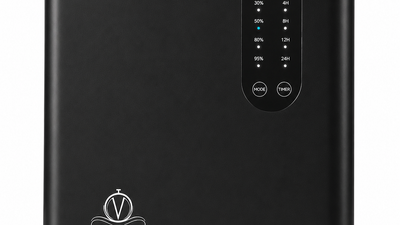
✔Programmable schedules, Set on/off times so the scent matches peak traffic hours. Many commercial units let you set multiple programs for different days.
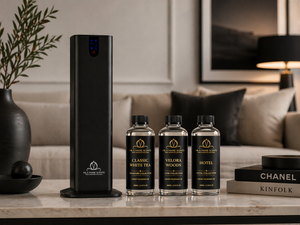
✔Lockable housing, Heat‑free operation means no flame and no hot surface. A lockable housing prevents tampering in public spaces , our HALO Tower has one.
✔Smart integration, App control is not a given in this category, so look for models that explicitly list it. Every Mila Marie Scents diffuser has Bluetooth app control for intensity, schedules and power.
✔Oil capacity, Larger tanks mean fewer refills. A 200 ml bottle runs our PULSE for up to 30 days, and the HALO Tower's 800 ml reservoir holds four times that.
Our own INFINITY HVAC Cold Air Diffuser checks all these boxes: it connects to existing ductwork, is recommended for 1,500 to 6,000+ sq ft with headroom to 16,000 sq ft, runs under 35 dB, and is scheduled from the Bluetooth app. It is $399 and ships with three premium oils included.
Pro tip: When you set a schedule, start with a low intensity for the first hour. Then raise it gradually until you hit the desired scent strength. This avoids overwhelming guests or employees.
Pro Tip: Pair your diffuser with a scent that matches your brand palette , a warm woody note for a lounge, a fresh citrus for a coworking space.
Ready to upgrade your space?
Key Takeaway: Focus on coverage, control and programmable scheduling to get the best ROI.
And if you need a curated set of diffusers to compare, check out our Mila Marie Scents HVAC Diffuser Collection. It’s built for homes, offices, and small commercial venues.
Bottom line:Match the feature set to your operational needs and you’ll avoid over‑paying for unused tech.
Sizing and Coverage Considerations
Getting the right coverage is part math, part intuition. Too small a unit leaves dead zones; too big a unit wastes energy.
The rule of thumb in HVAC design is to look at the room’s square footage and ceiling height. Higher ceilings mean more air volume, so you may need to step up to the next coverage tier.
Those figures are the manufacturer‑stated coverage for each unit. There is no shared industry testing standard behind coverage ratings, so treat them as a guide and size up if the space is open or busy.
If you’re unsure, start by measuring the floor area, then add 20% if the space has an open layout or high traffic flow.
Imagine you run a 2,200 sq ft open office. An 1,800 sq ft unit would leave a gap. If the floor is genuinely open, the HALO Tower at up to 4,000 sq ft covers it from the floor with nothing to install. If it is broken into closed rooms, the INFINITY through the ductwork is the one that reaches them.
Pro Tip: When you install a unit near a return vent, the scent will travel farther because the HVAC system pulls air through the diffuser.
Our ECHO Cold Air Diffuser hits the 1,500 sq ft sweet spot for many small offices and retail spaces.
Key Takeaway: Size your diffuser by square footage, ceiling height, and airflow patterns for consistent scent.
Bottom line:Proper sizing prevents weak scent zones and saves on oil costs.
Installation and Operation Tips
Putting a diffuser in place is easier than you think, but a few best practices make the job smoother.
1. Pick a central location. The diffuser should sit where airflow can reach the whole room. Near a power outlet is a must.
2. Keep the unit level. An uneven base can cause uneven mist distribution.
3. Use a paintable cord cover if the power cord will be visible. This keeps the look sleek and safe.
4. For HVAC‑integrated units, connect the diffuser to the return duct. This lets the nano‑mist travel with the building’s air flow.
5. Run a short test cycle before the first full day. Check that the mist is fine and that the scent reaches the far corners.
One thing worth knowing about the mechanics: a cold‑air unit applies no heat, so there is no flame and no hot surface, and it uses no water, so it adds no humidity to the room and leaves no residue. Place the unit out of reach of children and pets.
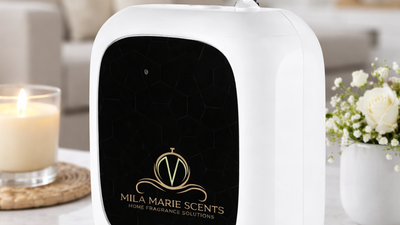
Our HALO Tower has a lockable housing, which is what you want in a public space. Worth being clear about: it is a free‑standing floor unit that plugs into a standard outlet , it is never connected to HVAC and needs no ductwork. The ducted units in our line are the PULSE and the INFINITY.
Pro tip: After installation, label the control panel with the recommended schedule. That way anyone can follow the scent plan without guessing.
Pro Tip: Set the timer to start 15 minutes before opening hours. Guests will notice the scent as they walk in.
 Key Takeaway: Proper placement and a simple test run ensure reliable coverage from day one.
Bottom line:Follow these steps and your diffuser will work flawlessly without a hitch.
Maintenance Best Practices
Keeping a diffuser clean protects the scent and the device. Here’s a routine you can stick to.
• After each use, wipe the exterior with a soft cloth. This removes dust that can clog vents.
• For water‑based units, empty the reservoir and rinse with distilled water. Run a short cycle with plain water to clear any residue.
• For cold‑air, waterless units (the kind Mila Marie Scents sells), run a brief rinse of 70% isopropyl alcohol through the oil canister. Then wipe any remaining liquid.
• Change the oil every 30‑45 days, or sooner if you notice a drop in scent intensity. Consistent refills keep the aroma fresh.
• Check the filter (if your unit has one) every three months. Replace it to maintain airflow and prevent dust buildup.
Regular cleaning of any air‑handling device helps keep mold and bacteria from taking hold, which matters most in high‑traffic commercial spaces. Waterless cold‑air units sidestep the worst of it, because there is no standing water for anything to grow in.
Pro Tip: Schedule a quarterly maintenance window in your facility calendar. Treat it like HVAC filter changes.
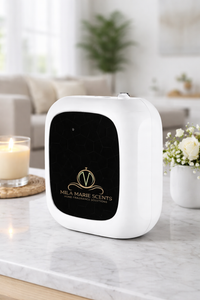
Our ECHO is designed for easy cleaning , just a quick alcohol rinse of the 200 ml reservoir and a wipe down.
Key Takeaway: A simple, regular cleaning routine extends the life of your diffuser and keeps the scent pure.
Bottom line:Clean often, replace oil on schedule, and you’ll enjoy consistent fragrance for years.
Frequently Asked Questions
What size diffuser do I need for a 1,200 sq ft office?
A unit that covers up to 1,500 sq ft is a safe bet. It gives a little headroom for high ceilings or open layouts. Look for a model with programmable timers so you can match scent release to office hours.
Are cold‑air diffusers safe around children and pets?
Here is what the hardware does. A cold‑air nebulizer applies no heat, so there is no flame and no hot surface, and it uses no water, so it adds no humidity to the room and leaves no residue. Place the unit out of reach of children and pets. Some units add a lockable housing , in our line that is the HALO Tower, which is the one built for public spaces. Which oils suit a household with animals is a question for a vet who knows the animal.
Do I need to connect the diffuser to my HVAC system?
Not always. Stand‑alone units work well for single rooms or small spaces. For whole‑building scent, an HVAC‑integrated model spreads the nano‑mist through every vent, giving uniform coverage.
How often should I replace the fragrance oil?
Most commercial units run 30‑45 days on a full tank before the scent fades. If you notice a dip in intensity, refill sooner. Using high‑quality oils helps the scent stay strong longer.
Can I control the diffuser with a smartphone?
Not every commercial diffuser offers it, so check the product specs for “smart integration.” Every Mila Marie Scents diffuser has Bluetooth app control as standard, including the HALO Tower , intensity, schedules and power all run from the app.
What maintenance does a cold‑air diffuser require?
Clean the exterior weekly, run a short alcohol rinse every month, and replace any filters quarterly. This routine stops residue buildup and keeps airflow optimal.
Conclusion
Choosing the right commercial aroma diffuser boils down to three things: the diffusion method, the coverage size, and the feature set that matches your operation. Cold‑air diffusion suits commercial spaces because it’s consistent and residue‑free, and adds no humidity to the air. Pair the right coverage tier with thoughtful placement, and set a schedule that aligns with your business hours. Keep the unit clean with a quick weekly wipe and a monthly alcohol rinse, and you’ll enjoy a hotel‑level scent experience for years.
Ready to give your space that polished, welcoming aroma? Explore the collection, pick the scent that fits your brand, and let the fragrance do the talking. Your guests will notice the difference the moment they walk through the door.
Pro Tip: Start with our INFINITY HVAC diffuser , it offers the coverage, quiet running, and programmable control most businesses need.
High-coverage diffusers for large spaces
Which Diffuser Is Right for You?
| Feature | HALO Tower | ECHO Mini |
|---|---|---|
| Price | $229.00 | $89.00 |
| Coverage | Up to 4,000 sq ft | Up to 700 sq ft |
| Type | Floor Standing | Desktop / Wireless |
| App Control | Yes (Bluetooth) | Yes (Bluetooth) |
| Free Oils Included | Yes (3 Oils) | Sold separately |
| Warranty | 1-Year | 1-Year |
| Guarantee | 30-Day | 30-Day |
Swipe to compare →
Get 10% Off Your First Order
Join the Mila Marie family for early access to new fragrances, exclusive offers, and expert scenting tips.