How to Pick Scent Cards for Corporate Gifts
A scent card can make a corporate gift feel personal without becoming too intimate. The right choice depends on the recipient, the occasion, the fragrance, and the amount of branding you need. Here’s how to pick scent cards as a corporate gifting option without guessing.
Step 1: Define the Gift’s Audience, Occasion, and Brand Goal
The best scent card starts with a clear audience, a suitable occasion, and one brand goal. Decide those three points before you compare card stock, fragrance oils, or packaging.
First, name the recipient group. Long-term clients may welcome a more refined scent story. New prospects may need something neutral and easy to enjoy. Employees may prefer a choice-based gift, especially if you don’t know their fragrance tastes.
Next, match the card to the moment. Scent cards fit client appreciation, business anniversaries, event follow-ups, holiday programs, and milestone gifts. They’re less suitable during a procurement discussion, where a personal gift could feel like pressure.
Review your company’s gift policy before placing an order. Check the approved value, recipient rules, and any record-keeping needs. Fragrance may also be a poor fit for workplaces with scent-free policies, so your HR or compliance team should review the setting first.

Now write one sentence that defines the goal. For example: “We want to thank long-term design clients with a calm, polished scent that reflects our service.” That sentence will guide every later choice.
For brand fit, think about the feeling you want to leave behind. A clean citrus profile may suit a bright, modern brand. A light wood scent may feel more established. Avoid forcing a company color or slogan into the fragrance itself. The card should feel considered, not loud.
Step 2: Match the Fragrance Profile to Recipients and Company Culture
For corporate scent cards, choose a soft, gender-neutral profile with broad appeal. Fresh citrus, light florals, clean tea notes, and balanced woods are safer than very sweet, smoky, or sensual blends.
Think about fragrance in layers. Top notes shape the first impression. Middle notes give the scent its main character. Base notes remain after the first burst fades. A card with a bright opening and a restrained base often feels more professional than a dense blend.
Use the company culture as a filter, not a script. A creative studio may enjoy a more unusual scent. A financial firm may want something crisp and quiet. A hospitality brand could choose a profile that recalls a calm lobby or fresh linens.
Season matters too. Fresh citrus and airy florals suit warm-weather events. Soft woods and amber may feel better in colder months. For a year-round campaign, pick a scent that remains balanced across settings.
Ask discreet questions when you can. A short preference form might ask recipients to choose fresh, floral, woody, or warm. If you can’t collect preferences, include two scent options rather than sending one strong profile to everyone.
Remember that scent perception varies by person and setting. The sense of smell is closely tied to memory and emotion, but that doesn’t mean every recipient will read the same fragrance in the same way.
Keep the card’s message clear. Say what the scent represents and why you chose it. For a hybrid event, add a short digital note or QR code that explains the scent story. Recipients can enjoy the card at home without feeling they need to use it at work.
Step 3: Test, Personalize, and Package the Scent Cards
Test every scent card before approving the full run. You need to check the scent, print quality, card feel, and unboxing experience as one package.
Start with a small sample set. Smell each card in a neutral room, then revisit it after a short break. Record the first impression and the later impression. This helps you spot a fragrance that starts well but becomes too sharp or heavy. A premium sampler-card comparison can also help your team evaluate several luxury profiles in a real setting before committing to a larger corporate order.
Ask at least a few people from the campaign team to review the samples. Give them a simple scorecard:
- Does the scent feel suitable for work?
- Is the strength comfortable?
- Does it fit the brand’s tone?
- Would you be pleased to receive it?
For a wider test, the Mila Marie Scents Scent Card Sample Pack is $15 and holds 15 scent cards, so your team can compare profiles by hand before choosing a full fragrance experience. The cards are for smelling, not for running in a diffuser. Keep the test separate from the final card supplier if needed. A card impression and a diffuser experience aren’t identical.
Personalization can range from simple to highly custom. At the basic level, add the recipient’s name, a short thank-you, or the event date. More advanced options may include custom shapes, full-color printing, embossing, hot stamping, or a custom scent blend.
Printed-card pricing and minimum quantities vary a great deal between suppliers, and the cheapest quote often comes with the least detail about branding options. Treat that gap as a quote question, not as proof that the cheaper card will meet your needs.
Packaging should protect the card without making the gift feel wasteful. Use a slim sleeve or small envelope. Add a short note that explains the gesture. If sustainability is part of your brand promise, ask for the paper source, recyclable components, and disposal guidance in writing.
Printers differ widely in what they will confirm , certified recyclable paper, renewable materials, print and personalization methods, and custom scent blends , so ask for each one in writing. Those details show why a sample and written quote matter before approval.
Step 4: Confirm Quantity, Budget, Lead Time, and Campaign Measurement
Confirm the landed cost and delivery date before you approve the artwork. The card price is only one part of the budget.
Ask each supplier for these details in one written quote:
- Unit price at your exact quantity
- Minimum order quantity
- Sample cost and sample time
- Artwork or setup fees
- Packaging and shipping cost
- Production lead time
- Delivery split by region
- Replacement terms for damaged cards
Minimum order quantities and delivery windows are often not published at all, so ask for both in writing rather than assuming. Build in time for artwork approval, sample review, production, and shipping.
Set a ceiling for the full campaign. Multiply the card cost by the quantity, then add packaging, freight, taxes, design, and fulfilment. A low unit price can stop looking low once the minimum order exceeds your actual audience.
Measurement should start before sending. Give the campaign one main goal, such as event follow-up, client retention, employee appreciation, or meeting requests. Then choose one action that shows movement.
- Use a unique landing page or QR code for event gifts.
- Track delivery and response by recipient group.
- Ask one short scent-preference question after delivery.
- Record meetings, replies, or repeat orders tied to the campaign.
For a sales campaign, compare recipients with a similar group that did not receive the card. For an internal campaign, track response rate and short feedback instead of forcing a revenue measure. Keep the result honest. A positive reply may matter even when it doesn’t create an immediate sale.
Corporate gifting measurement is harder when data sits across CRM, shipping, and HR systems. The useful fix is a shared campaign ID and a simple status list: approved, shipped, delivered, replied, and converted.
Ask for a quote early when your gift is tied to a conference or holiday date. A supplier that can meet the price may not meet the schedule.
Step 5: Pair the Card With a Relevant Mila Marie Scents Fragrance Experience
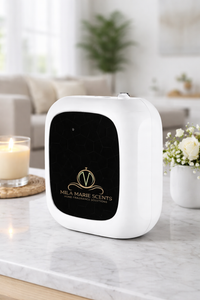
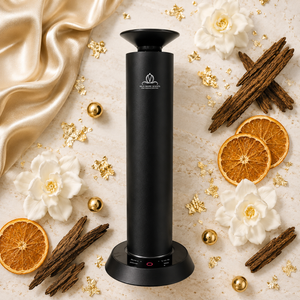
A scent card works best when it leads to a clear next experience. For home or small-office recipients, pair the card with a heat-free cold-air diffuser or a curated fragrance oil choice.
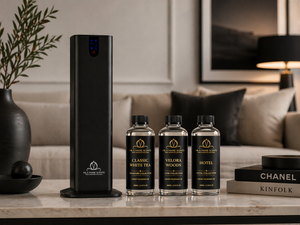
Mila Marie Scents sells cold-air diffusers with premium fragrance oils for long-lasting, even scent coverage. Its range includes ECHO Mini, PULSE, INFINITY, Elite Mini Pro, and Elite Car Pro. The right match depends on the recipient’s space, not on the most expensive item.
For a home-focused gift, explain that cold-air diffusion uses no heat. That makes it a useful choice for people who want a low-maintenance scent routine. For a small office, ask about room size, airflow, and whether the recipient controls the space.
Use the card as a gentle invitation. A note might say, “Try this profile in your entry space, then explore the matching home fragrance experience.” Keep the invitation optional. The card should still feel complete on its own.
When you want a hotel-style theme, the Mila Marie Scents Hotel Collection gives the campaign a clear story around polished hospitality. For a cleaner, quieter direction, Classic White Tea may suit a broad audience. Velora Woods may work better for recipients who prefer warm wood notes.
Do not promise that one scent will suit every home. Room size, fabric, airflow, and personal taste change how a fragrance reads. Offer a sample path when possible, then let the recipient choose.
For campaign teams, Mila Marie Scents oils such as Classic White Tea, Green Tea, and Velora Woods can help turn a one-time card into a fuller fragrance touchpoint. ECHO Mini or Elite Mini Pro may be more relevant for a home office. Elite Car Pro may fit a recipient who prefers scent in a vehicle.
Keep the handoff simple. Include the scent name, the intended setting, and one way to test it. You can also point recipients toward Mila Marie Scents’ best-selling scents when you want to give them a guided place to start.
A corporate scent card should open the door, not push someone through it. The best pairing gives the recipient room to choose the next step.
Frequently Asked Questions
What scent is best for corporate gift cards?
Fresh citrus, light florals, clean tea, and balanced woods are usually safer corporate choices. They feel polished without becoming too strong or personal. When learning how to pick scent cards as a corporate gifting option, start with the recipient’s setting and company culture. If you lack preference data, offer two mild profiles instead of one bold scent.
Are scent cards suitable for employee gifts?
Scent cards can suit employee gifts when the company policy allows fragrance and the message stays professional. They work well for milestones or voluntary holiday programs. They may be less suitable for direct manager-to-report gifts or scent-free workplaces. Include a non-fragrance alternative when employees may have allergies, sensitivities, or personal restrictions.
What is a heat free cold air diffuser?
A heat-free cold-air diffuser spreads fragrance oil without heating it. Mila Marie Scents sells this type of diffuser for homes and small offices. In a gifting campaign, pair the scent card with a clear note about the intended room. Don’t assume the recipient needs a diffuser. Let the card provide a low-commitment first test.
How many scent cards should a company order?
Order enough for the confirmed audience plus a small reserve for late additions or damaged deliveries. First check the supplier’s minimum order quantity , many printers set one and not all of them publish it. For this type of corporate gifting, request a quote at your exact quantity before setting the campaign budget.
Can I mix and match fragrance oils in a corporate gift?
You can mix and match fragrance oils when the supplier supports that format and your budget allows separate options. A better plan is often to offer two profiles, such as a fresh citrus choice and a light wood choice. For a Mila Marie Scents pairing, use the $15 Scent Card Sample Pack , 15 scent cards you smell by hand , before selecting the final experience.
How do I test scent cards before a large order?
Request samples, smell them in a neutral room, and review them again after a break. Ask several people to rate strength, tone, and workplace fit. Test the printed card too. The safest way to pick scent cards as a corporate gifting option is to approve the scent and the physical sample together, not from a supplier image alone.
Choose a mild profile, test the full card, and get every cost and date in writing. If you want a next step, begin with a small scent comparison through Mila Marie Scents before planning the wider corporate gift run.
Car diffusers & portable scenting
Get 10% Off Your First Order
Join the Mila Marie family for early access to new fragrances, exclusive offers, and expert scenting tips.