Hotel Lobby Scent: What It Is and Why It Matters
You walk into a hotel lobby and stop. Something feels different. The air smells clean, warm, and inviting. It's not random. That smell is a tool. Hotels use it on purpose.
Hotel lobby scent is a carefully chosen fragrance that makes you feel a certain way. It's part of a strategy called scent branding. And it works because your brain links smell straight to emotion and memory. In this article you'll learn exactly what hotel lobby scent is, why hotels invest so much in it, how to pick the right one, and how you can bring that same feeling home with a cold-air diffuser from Mila Marie Scents.
We'll cover the technology behind it, the most popular scent profiles, and a step-by-step guide to choosing your own. By the end you'll know how to make any space feel like a five-star lobby.
What Is Hotel Lobby Scent?
Hotel lobby scent is a signature fragrance used to define a hotel's brand. It's not a cheap air freshener. It's a custom blend of essential oils or synthetic notes designed to create a specific mood. Think of it as the olfactory version of a logo. When you smell it, you know exactly where you are.
Hotels use professional diffusers to spread the scent evenly. Most use cold-air diffusion. That means no heat, no water, and no residue. The oil is turned into a fine dry mist using pressurized air. This method is the standard across luxury hospitality. It's clean, residue-free, and long-lasting.
A lobby that smells good is a lobby people linger in, and that matters to a hotel. More time in the lobby often means more spending at the bar, restaurant, or shop. But for guests, it just feels good.
The science behind it is simple. Your sense of smell connects directly to the limbic system, the part of your brain that controls emotion and memory. That's why a certain scent can trigger a vivid memory or mood in an instant. A hotel lobby scent works the same way. It creates a positive emotional association with the brand.
Bottom line: Hotel lobby scent is a purpose-built fragrance delivered through professional diffusers to shape how guests feel and remember a property.
Why Hotels Invest in Signature Scents

Hotels don't spend thousands on scent branding for no reason. They do it because it works. A signature scent does three things: it strengthens brand identity, improves guest mood, and drives loyalty.
First, brand identity. Think about the most famous hotel scents you know , Westin's white tea is the textbook example. A signature like that becomes as recognisable as a logo. When you smell it again somewhere else, you're immediately transported back to that hotel. That's powerful brand recognition.
Second, mood. Scents like lavender, sandalwood, and jasmine read as calming to most people. Hotels put these in lobbies and rooms to help guests settle. A relaxed guest is a happy guest. Happy guests leave better reviews and come back.
Third, loyalty. When a guest associates a pleasant smell with their stay, they're more likely to return. They might even miss that smell and book again just to experience it.
The investment is mostly in the diffuser system and custom oil. Commercial cold-air units can cost thousands, but they last for years. The oil runs 24/7 and needs refilling every few weeks. For a large hotel chain, that's a small price for a memorable brand experience.
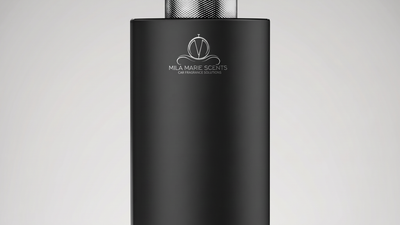
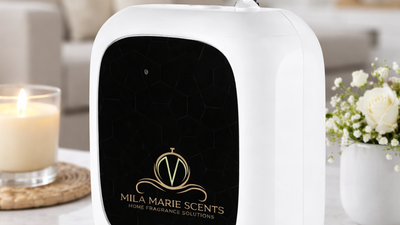
But here's the secret: you don't need a hotel budget to get the same effect. The technology behind those expensive diffusers is the same as the cold-air diffusers used at home. Products like the Mila Marie Scents Pulse diffuser use identical cold-air diffusion to cover up to 1,800 square feet. It's the exact same science, just a smaller unit.
Bottom line: Hotels invest in signature scents because they boost brand recognition, improve guest mood, and increase loyalty, all without the guest consciously noticing.
Popular Scent Profiles for Hotel Lobbies
Not all hotel lobby scents are the same. They fall into a few main categories. Each one creates a different feeling. Here are the most popular profiles you'll find in world-class hotels.
Fresh Aquatic
This is the scent of ocean breeze, clean linen, and light florals. It's a staple at coastal resorts. Key notes include bergamot, jasmine, and marine accords. This profile feels clean, crisp, and luxurious. It signals "vacation mode."
Warm Woody
Woody scents are rich and grounding. Think sandalwood, cedar, oud, and amber. They're common in urban luxury hotels, often with leather or oud in the mix. It feels masculine and sophisticated. Great for evening lobbies or cigar lounges.
Citrus Fresh
Bright and energizing. Lemon, bergamot, orange, and grapefruit. This profile wakes you up. It's often used in lobbies near check-in counters to make guests feel alert and welcome. Citrus-forward blends suit energetic, design-led brands, and they work well in high-traffic areas.
Soft Floral
Not too sweet, but elegant. Rose, peony, jasmine, lily. These scents feel romantic and calming. They're perfect for hotel lobbies that want a softer touch or a spa-like atmosphere.
Gourmand
Vanilla, caramel, chocolate, cinnamon. These sweet scents feel cozy and comforting. They're often used in lobbies with attached bakeries or coffee shops. The smell of baking bread or vanilla can make guests hungry and more likely to visit the restaurant. But use gourmand scents lightly, too much can feel cloying.
Most hotels use a blend of two or three of these profiles. They layer them to create something unique. You can do the same at home with Mila Marie Scents' Hotel Collection. They offer scents like Royalty, which opens on pear and melon and settles into soft florals and patchouli. It's a sophisticated floral-woody that works beautifully in any living space.
Bottom line: Choosing the right scent profile is the first step in creating a memorable lobby atmosphere that aligns with your brand.
How Scent Influences Guest Experience

Scent doesn't just make a room smell nice. It changes how people feel and act. The direct link between smell and the limbic system means that a fragrance can trigger an emotional response before a guest even thinks about it.
A pleasant scent helps people settle. That's why hotels use calming notes like lavender and sandalwood in their lobbies. When guests walk in after a long flight, that scent helps them switch into relaxation mode. It's a subtle signal that says, "You're safe now. You can unwind."
Scent also affects perception of cleanliness. A fresh, clean scent like white tea or linen makes guests believe the hotel is more hygienic, even if nothing has changed. This is the familiar "halo effect." One positive sensory experience colors everything else.
Memory is another big factor. The olfactory system is unique because it bypasses the thalamus (the brain's relay station) and goes straight to the amygdala and hippocampus. That's why a specific smell can trigger a vivid memory from years ago. Hotels use this to make their property unforgettable. When you smell that same scent later, you'll remember your stay.
Behaviour follows mood. A guest who feels relaxed and welcome in a lobby is more inclined to linger over a drink at the bar or book a spa treatment. It's not manipulation, it's environment design.
The key is to use scent that complements the space. An overpowering scent will irritate guests. A subtle, well-placed fragrance will work invisibly. That's what hotels do. They aim for "ambient" not "annoying."
Bottom line: Scent influences guest experience by directly affecting mood, perception of cleanliness, memory formation, and spending behavior.
Choosing the Right Scent: A Comparison Table
Picking a hotel lobby scent can be overwhelming. There are hundreds of options. That's why it helps to compare profiles side by side. Below is a table that breaks down common scent families, their key notes, the mood they create, and the best use case for each.
| Scent Profile | Key Notes | Mood Created | Best For |
|---|---|---|---|
| Fresh Aquatic | Bergamot, jasmine, marine notes, white musk | Clean, refreshing, vacation-like | Beach resorts, urban hotels wanting a crisp feel |
| Warm Woody | Sandalwood, oud, cedar, amber | Sophisticated, grounding, luxurious | High-end boutique hotels, evening lounges |
| Citrus Fresh | Lemon, bergamot, orange, grapefruit | Energetic, uplifting, welcoming | Business hotels, check-in areas |
| Soft Floral | Rose, peony, jasmine, lily of the valley | Romantic, calming, elegant | Boutique hotels, spa lobbies |
| Gourmand | Vanilla, caramel, cinnamon, baked goods | Comforting, cozy, indulgent | Hotels with restaurants, cafes, or in cold climates |
When choosing, also consider your space size. Larger lobbies (over 2,000 sq ft) need a diffuser with higher output, like the Mila Marie Scents Infinity HVAC diffuser that covers up to 16,000 sq ft. For a small boutique lobby (under 1,200 sq ft), a standalone unit like the Echo Mini (700 sq ft) or Pulse (1,800 sq ft) works perfectly.
Don't forget to think about your guests' demographics. A hotel for business travelers might prefer the clean energy of citrus or aquatic. A romantic getaway hotel might lean toward warm woody or soft floral. The scent should match the experience you promise.
Bottom line: Use a comparison table to match scent profile to your brand's personality and space size, and always test before committing to a full rollout.
Implementing Scent in Your Hotel Lobby
You've chosen your scent. Now you need to put it to work. Implementation is more than just placing a diffuser in the corner. It involves placement, intensity, scheduling, and maintenance.
First, position the diffuser near the main entrance but away from doors and windows that cause drafts. The goal is even distribution. For a lobby up to 1,800 sq ft, a single Pulse cold-air diffuser placed on a side table or shelf works well. For larger spaces, use a ducted system: the Infinity connects to existing HVAC ductwork, and the Pulse can run ducted (rated up to a 2.5 ton AC) or standalone. The Halo Tower is a free-standing floor unit rather than a ducted one, so it suits a large open space instead.
Next, set the intensity. Start low. You want guests to feel the scent, not smell it. A good rule is to set the diffuser to run for 30 minutes, then pause for 30 minutes. This prevents olfactory fatigue (nose blindness). You can adjust based on feedback.
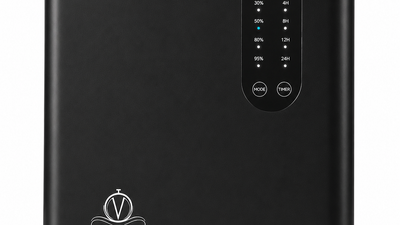
Schedule the diffuser to match traffic. Increase output during check-in and check-out hours. Decrease it overnight or when the lobby is empty. Many modern diffusers, including the Mila Marie Scents models, come with timers or app control so you can program this easily.
Maintenance is simple. These are waterless units, so there is no tank to rinse and no scale to remove. When output weakens, flush a little isopropyl alcohol through the nozzle instead. Change the fragrance oil when you notice the scent thinning out.
Also consider scent zoning. The lobby can have your signature scent, but the spa should use a calmer profile, and the fitness center a more energizing one. This creates a journey through the property.
For hotels that want to offer a take-home experience, sell small bottles of your signature oil or a diffuser kit. Guests love taking that memory home. This is exactly what Mila Marie Scents does with their Hotel Collection, allowing anyone to bring the hotel lobby scent home.
Bottom line: Implementing a hotel lobby scent is a science of placement, timing, and maintenance that, when done right, becomes an invisible part of the guest experience.
Frequently Asked Questions
What exactly is a hotel lobby scent?
A hotel lobby scent is a custom fragrance blend diffused into the entrance area of a hotel to create a specific atmosphere and reinforce brand identity. It's delivered using professional cold-air diffusers that spread a fine dry mist of fragrance oil. This is different from air fresheners because it's designed to be subtle and long-lasting, not just cover up odors.
How do hotels make their lobbies smell so good?
Hotels use professional scent diffusers, often cold-air or HVAC-integrated systems, that emit a low-level continuous mist of fragrance oil. They work with scent branding companies to create a signature blend that matches their brand. The diffuser is programmed to run on a schedule, ensuring the scent is present but not overwhelming. Maintenance includes regular oil refills and occasional cleaning.
Can I recreate a hotel lobby scent at home?
Absolutely. The same cold-air diffusion technology used by luxury hotels is available in home diffusers from Mila Marie Scents. Their cold-air diffusers use the same waterless, heat-free technology: the Pulse covers up to 1,800 sq ft and the Halo Tower up to 4,000 sq ft of open space. Pair them with a hotel-inspired fragrance like Royalty or VIP, and you'll get that same five-star lobby feel in your living room.
What are the most popular hotel lobby scents?
Fresh aquatic, warm woody, citrus fresh and soft floral are among the most popular. Each evokes a different feel: aquatic is clean and vacation-like, woody is sophisticated, citrus is energizing, and floral is romantic. Many hotels blend two profiles for a unique signature.
How much does a hotel lobby scent system cost?
Full commercial installations are a serious spend, and the oil is an ongoing cost on top of the hardware. Home-level systems using the same cold-air technology cost far less. Mila Marie Scents starts at $89 for the Echo Mini, the Pulse is $149, the Halo Tower is $229 on its own, and the Infinity is $399 with three premium oils included. A 200 ml bottle in the Pulse runs up to 30 days.
Is hotel lobby scent safe for pets and children?
Here is what the technology does and does not do. A cold-air nebulizer applies no heat, has no flame and no hot surface. It uses no water, so it adds no humidity to the room. It leaves no residue. Mila Marie Scents oils are blended to IFRA standards for home fragrance use, which is a formulation limit rather than an animal-safety rating. Place the unit out of reach of children and pets. Which oils suit a household with animals is a question for a vet who knows the animal.
How often should I change the scent in my hotel lobby?
It depends on your guests. If you have repeat visitors who spend several days, consider rotating scents seasonally to prevent olfactory fatigue. Some hotels keep the same signature scent year-round to build strong brand recall. If you notice guests commenting less on the scent, it might be time for a refresh. A good practice is to evaluate every 3 to 6 months.
Can a bad smell affect my hotel's reputation?
Yes, it's one of the fastest ways to lose guests. Unpleasant odors, like mustiness, smoke, or food smells, signal poor cleanliness. Even a mismatched perfume that's too strong can irritate guests. Online reviews frequently mention smell. Investing in a good hotel lobby scent system prevents negative odors and creates a positive first impression that keeps your star rating high.
Conclusion
Hotel lobby scent is far more than a nice smell. It's a strategic tool that shapes how guests feel, remember, and behave. From the moment they walk through the door, a carefully chosen fragrance can lower stress, signal cleanliness, reinforce brand identity, and increase loyalty. The science is clear: our sense of smell has a direct line to the parts of the brain that control emotion and memory. Hotels that invest in signature scents are investing in an invisible but powerful asset.
The good news is you don't need a multi-million dollar property to use this strategy. The same cold-air diffusion technology is available for homes and small businesses. Brands like Mila Marie Scents offer professional-grade diffusers and hotel-inspired fragrances that bring the lobby experience to any space. Whether you're a hotel manager looking to improve your property or a homeowner wanting to transform your living room into a five-star retreat, the principles are the same: choose a scent that matches your brand, implement it with the right equipment, and maintain it consistently.
Ready to bring the magic of a hotel lobby scent into your space? Explore the Hotel Collection from Mila Marie Scents and find the perfect fragrance and diffuser for your needs. Your guests, or your family, will thank you.
Hotel-inspired fragrances & luxury diffusers
Which Diffuser Is Right for You?
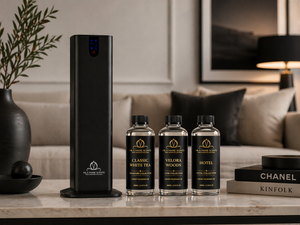
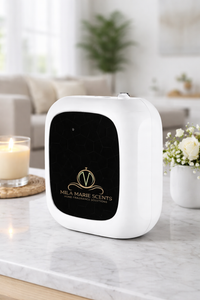
| Feature | HALO Tower | ECHO Mini |
|---|---|---|
| Price | $229.00 | $89.00 |
| Coverage | Up to 4,000 sq ft | Up to 700 sq ft |
| Type | Floor Standing | Desktop / Wireless |
| App Control | Yes (Bluetooth) | Yes (Bluetooth) |
| Free Oils Included | Yes (3 Oils) | Sold separately |
| Warranty | 1-Year | 1-Year |
| Guarantee | 30-Day | 30-Day |
Swipe to compare →
Get 10% Off Your First Order
Join the Mila Marie family for early access to new fragrances, exclusive offers, and expert scenting tips.