Diffuser for Office: Resource Guide 2026
Ever walked into a conference room and wondered, "What's that amazing scent?" You're not alone. The rightdiffuser for officecan transform a stale workspace into a focused, welcoming environment. But with so many types and features out there, picking the perfect one feels overwhelming.
The honest answer depends on two things: how big the space is, and whether air moves freely between rooms. A desk in a closed office and an open floor that runs into a reception area need very different machines, and most of the confusion in this category comes from treating them as the same problem.
In this guide, you'll learn the different diffuser types, how to pick the right one for your office, the best essential oil blends for focus and calm, maintenance tricks, and advanced features worth the extra cash. Let's get started.
Overview of Diffuser Types for Office Use
Not all diffusers work the same way. For an office, you need something that's quiet, safe, and doesn't need constant refilling. The main types are ultrasonic, nebulizing (waterless), cold-air, and reed diffusers.
Ultrasonic Diffusers
These use water and vibrations to create a cool mist. They're affordable and quiet, but they add humidity to the air. That's fine in dry offices, but in humid climates, you might get mold issues if you don't clean them often. Coverage is usually under 300 sq ft for small models. They're good for personal desks or small meeting rooms.
Nebulizing Diffusers
No water needed. They atomize pure oil into tiny particles. The scent is strong and covers large areas, with commercial models rated for several thousand square feet. The downside? They use more oil and cost more upfront. But for a big office or open floor plan, they're a strong choice, and a bigger reservoir means longer between fills.
Cold-Air Diffusers
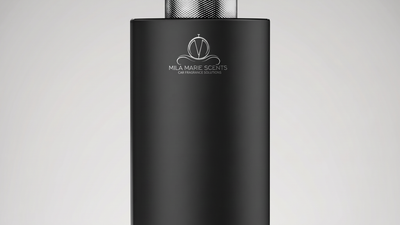
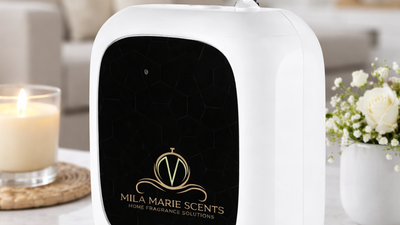
These use fans or compressed air to spread scent without heat. Every Mila Marie Scents diffuser is cold‑air and heat‑free , no flame, no hot surface, no water and no added humidity , which is why one can run next to paper and electronics without warming anything. Put it where a child or a pet cannot knock it over or get at the oil. The ECHO Mini is the compact end of the range at $89, covering up to 700 sq ft on three D batteries, and the Elite Mini Pro at $129 is cordless, recharges over USB‑C and covers up to 1,800 sq ft. Cold‑air systems keep the oil's profile intact better than heat‑based methods, because nothing is ever warmed.
Reed Diffusers
Simple and passive. Oil travels up reeds and evaporates. They're great for bathrooms or tiny spaces but won't fill a large meeting room. No power needed, but the scent throw is weak.

Within our own range that plays out by square footage: the ECHO Mini for a small closed office, the Elite Mini Pro or the ECHO for a normal room, the HALO Tower for a large open floor, and the PULSE or the INFINITY when you need scent to reach rooms behind closed doors.
"The best diffuser for office is the one that fits your space and your staff's comfort."
Bottom line:Choose a diffuser type based on your office size, how often you want to refill, and whether you need quiet operation.
How to Choose the Right Diffuser for Your Office
Picking the rightdiffuser for officemeans matching the machine to your space and needs. Here are the five factors we think matter most.
1. Coverage Area
Measure your office's square footage. A small desk area (under 200 sq ft) works with a personal ultrasonic diffuser. A 500 sq ft room needs a mid-range unit. Open plans or spaces over 2,000 sq ft demand a commercial-grade machine, which in our range means the HALO Tower for up to 4,000 sq ft of open space, or the INFINITY through the ductwork. Don't overshoot, a too‑powerful diffuser in a tiny room can be overwhelming.
2. Oil Capacity
Bigger tanks mean less refilling. In our range the ECHO holds 200 ml and the HALO Tower holds 800 ml, four times as much, which is why the tower suits a space you don't want to be topping up. The PULSE runs from 200 ml fragrance oil bottles and gets up to 30 days out of one. The ECHO Mini's and Elite Mini Pro's reservoir sizes are not published, so judge those two on coverage instead.
3. Smart Features
Smart‑app control lets you set schedules and intensity from your phone, so you can scent the office during work hours and switch it off at night. Every Mila Marie Scents diffuser has Bluetooth app control for intensity, schedules and power, from the ECHO Mini up to the INFINITY , it works while you are in Bluetooth range of the unit, not from outside the building , so you are not choosing between app control and a plug‑and‑play setup.
4. Noise Level
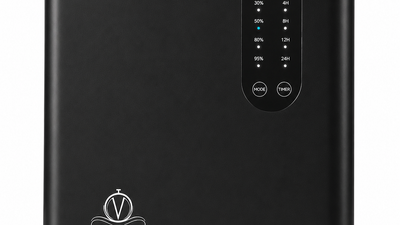
Offices need quiet. Ultrasonic diffusers are nearly silent. Nebulizing diffusers make a soft hum. Cold‑air units are also quiet. Check decibel ratings, under 35 dB is best for open workspaces, which is where the Elite Mini Pro and the INFINITY sit.
5. Safety and Maintenance
Heat‑free options are safer. Our pick uses cold‑air, so there is no heat and no flame in the unit. Nebulizing diffusers often have auto shut‑off when tipped over. Regular cleaning prevents mold, we'll cover that later.
One thing worth knowing before you buy: cold‑air mist will not pass a closed door, so if the scent has to reach rooms off a corridor, only a ducted unit will do it. The PULSE connects to an HVAC system rated up to 2.5 tons, or runs standalone in a large room; the INFINITY connects to existing ductwork and is recommended for 1,500 to 6,000+ sq ft, with headroom to 16,000 sq ft.
Bottom line:Match the diffuser's coverage, tank size, and features to your office's square footage, usage frequency, and need for app control.
Best Essential Oil Blends for Office Productivity and Ambience
The right scent can boost focus, reduce stress, or make a good impression on clients. Here are five blends we love for the office.
1. Focus & Clarity Blend
4 drops rosemary, 3 drops lemon, 2 drops black spruce. Rosemary sharpens alertness, lemon uplifts, and spruce keeps you grounded. Perfect for deadline days.
2. Creativity Booster
4 drops grapefruit, 3 drops clary sage, 1 drop jasmine. Grapefruit adds energy, clary sage brings new perspectives, and jasmine inspires flow.
3. Calm Focus
4 drops bergamot, 4 drops cedarwood, 3 drops lavender. Bergamot lifts mood, cedarwood roots you, lavender soothes. Great for long, steady work.
4. Reception Welcome
4 drops sweet orange, 3 drops eucalyptus, 2 drops peppermint. Bright and invigorating. This blend makes a strong first impression in the lobby.
5. Stress Relief
4 drops cardamom, 4 drops sandalwood, 3 drops sweet basil. Cardamom stimulates, sandalwood centers, basil blocks distractions. Ideal for high‑pressure environments.
When diffusing in shared offices, always ask coworkers about scent preferences. Start with low concentration and adjust. For personal use, consider a portable diffuser like the ECHO Mini Cold Air Diffuser that covers up to 700 sq ft.
Bottom line:Choose blends that match your office's goals, focus, calm, or welcoming, and start with a light hand.
Maintenance and Cleaning Best Practices
A dirty diffuser can breed bacteria and ruin the scent. Follow these steps to keep your office diffuser running clean.
Use the Right Water
Always use distilled or filtered water in ultrasonic diffusers. Tap water contains minerals that clog the machine and create white dust. For waterless diffusers, no water is needed, but wipe down the nozzle regularly.
Weekly Cleaning Routine
- Unplug and empty any remaining oil or water.
- Fill the reservoir halfway with white vinegar or isopropyl alcohol (99% is best).
- Let it soak for 5-10 minutes, then swish around.
- Empty and rinse with warm water. Do not submerge the base.
- Dry completely before next use.
Signs Your Diffuser Needs Cleaning
- Scent is weak or off.
- Visible residue on the inside.
- Strange noises from the fan.
Safe cleaning prevents buildup and keeps your oils pure.
Bottom line:Clean your diffuser weekly with vinegar or alcohol, use distilled water if needed, and dry it thoroughly to avoid mold.
Advanced Features: Smart Connectivity, Safety, LED, and Cost
Beyond the basics, some diffusers offer extras that make office scenting easier and more effective.
Smart Connectivity
Bluetooth or Wi‑Fi apps let you control the diffuser from your phone. Set schedules, adjust intensity and switch the unit on or off without getting up. Every diffuser in our range includes Bluetooth app control as standard, so it isn't something you pay extra for , and because it is Bluetooth rather than Wi‑Fi, you need to be in range of the unit.
Safety First
Look for auto shut‑off when the tank is empty or the unit tips over. Heat‑free diffusers are safer near paper or electronics. Every Mila Marie Scents unit is cold‑air, so there's no heat or flame. For offices with kids or pets, this is non‑negotiable.
LED Lighting and Ambiance
Many diffusers come with color‑changing lights. While not essential for work, soft lighting can create a calming atmosphere. If you prefer a distraction‑free workspace, look for a model where the light can be turned off independently.
Cost Over Time
The upfront cost is just part of the story. Nebulizing diffusers use more oil but cover larger areas. Ultrasonic diffusers are cheaper but need more frequent refills and cleaning. Calculate total cost of ownership: machine price + oil per month. For a 500 sq ft office, a cold‑air diffuser like the Elite Mini Pro at $129 or the ECHO at $139 is the straightforward choice, and both carry our 30‑day satisfaction guarantee if the scent turns out wrong for the room.
Bottom line:Evaluate whether smart controls, safety certifications, and additional features are worth the extra cost for your specific office setup.
Frequently Asked Questions About Office Diffusers
What size diffuser do I need for a small office?
For an office under 200 sq ft, a compact cold‑air diffuser is plenty. The ECHO Mini covers up to 700 sq ft at $89 and suits a personal desk well. If your office is larger, the Elite Mini Pro reaches up to 1,800 sq ft for $129.
Are essential oils safe to use in an office with many people?
Yes, but with caution. Some people are sensitive to strong scents. Choose gentle oils like lavender, lemon, or peppermint. Start with low concentration and check for any allergic reactions. Avoid synthetic fragrances that can trigger headaches.
How often should I clean my office diffuser?
At least once a week if used daily. Use white vinegar or isopropyl alcohol to break down oil residue. Regular cleaning prevents mold and keeps the scent pure. A clean diffuser also lasts longer.
Can I leave a diffuser on overnight in an office?
It's generally safe if the diffuser has an auto shut‑off feature. But most offices are empty at night, so it's better to use a timer. Smart diffusers let you schedule operation only during work hours, saving oil and energy.
What's the difference between a cold‑air and an ultrasonic diffuser?
Cold‑air diffusers use a fan or compressed air to disperse oil without water or heat. Because nothing is warmed, the fragrance profile stays intact. Ultrasonic diffusers use water and vibrations, creating a mist that adds humidity. Cold‑air is better for large spaces and sensitive oils.
Do smart diffusers require Wi‑Fi?
Most use Bluetooth or Wi‑Fi. Bluetooth works within 30, 60 feet, while Wi‑Fi allows control from anywhere. Every Mila Marie Scents diffuser is Bluetooth, so you control it from inside the building rather than remotely. If your office has weak Wi‑Fi, a Bluetooth model is simpler. Check the product specs before buying.
How much does it cost to run an office diffuser per month?
It depends on the oil consumption. A 300 ml tank might last 2, 4 weeks with daily use. Premium fragrance oils cost $30, $50 for an 8 oz bottle. The diffuser itself uses very little electricity, pennies per month. So the main cost is the oil.
Can I use any essential oil in a cold‑air diffuser?
Yes, but thicker oils like sandalwood or myrrh may need dilution with a carrier. Most cold‑air diffusers work with pure essential oils. Always check the manufacturer's recommendations. Using the wrong viscosity can clog the system.
Conclusion
Choosing the rightdiffuser for officedoesn't have to be complicated. Start by measuring your space, then decide which type fits your needs, ultrasonic for quiet, personal use; nebulizing for large open plans; cold‑air for safe, efficient coverage. Across the Mila Marie Scents range that means the ECHO Mini for a small office, the Elite Mini Pro or the ECHO for a normal room, the HALO Tower for a large open floor, and the PULSE or the INFINITY when the scent has to travel through ductwork.
Remember to pick your oils wisely. Focus blends with rosemary and lemon boost productivity. Calming blends with lavender and bergamot reduce stress. And don't forget maintenance, a clean diffuser lasts longer and smells better.
Ready to upgrade your office scent? Try Mila Marie Scents risk‑free with a 30‑day guarantee. Explore our collection of cold‑air diffusers and curated fragrance oils designed to make your workspace feel like a five‑star hotel. Shop now and breathe better at work.
High-coverage diffusers for large spaces
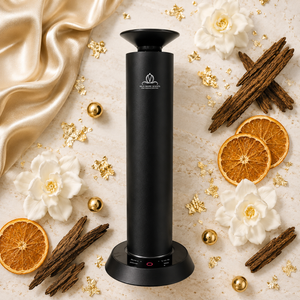
Which Diffuser Is Right for You?
| Feature | Elite Mini Pro |
|---|---|
| Price | $129.00 |
| Coverage | Up to 1,200 sq ft |
| Type | Desktop / Wireless |
| App Control | Wireless Remote |
| Free Oils Included | Sold separately |
| Warranty | 1-Year |
| Guarantee | 30-Day |
Swipe to compare →
Get 10% Off Your First Order
Join the Mila Marie family for early access to new fragrances, exclusive offers, and expert scenting tips.